Water damage can be a homeowner’s worst nightmare, causing structural issues, mold growth, and costly repairs. Whether from burst pipes, flooding, or leaks, addressing water damage promptly is crucial to preventing long-term consequences. In this guide, we’ll walk you through the essential steps of water damage restoration, helping you understand the process from assessment to complete recovery.
Understanding the Severity of Water Damage
Water damage is classified into different categories based on the level of contamination and the source of water:
- Category 1 (Clean Water): Water from a sanitary source, such as broken pipes or rainwater, that poses no immediate health risks.
- Category 2 (Gray Water): Water that contains contaminants and may cause illness if ingested, such as dishwasher or washing machine overflow.
- Category 3 (Black Water): Highly contaminated water from sewage backups, flooding, or stagnant water that can cause severe health hazards.
The severity of damage is also classified into four classes:
- Class 1: Minimal water absorption, affecting only a small area.
- Class 2: Water has affected carpets, walls, and furniture, requiring drying techniques.
- Class 3: Water has saturated ceilings, walls, and flooring, needing extensive drying and repairs.
- Class 4: Specialized drying is required due to water absorption in materials like concrete or hardwood.
Steps to Effective Water Damage Restoration
Water damage restoration follows a structured process to ensure complete recovery. The Guide to Water Damage Restoration Process includes crucial steps such as water extraction, drying, and mold prevention. By following these essential phases, homeowners can minimize structural damage and health risks while restoring their property efficiently.
1. Immediate Safety Measures
Before starting restoration, ensure safety by:
- Turning off electricity in affected areas to prevent electrocution.
- Wearing protective gear to avoid exposure to contaminants.
- Identifying structural hazards like weakened floors or ceilings.
2. Stopping the Water Source
Locate and stop the source of water intrusion, whether it’s a burst pipe, roof leak, or appliance malfunction. If necessary, contact a plumber or professional repair service.
3. Water Extraction and Removal
Removing standing water quickly is essential to prevent further damage. This can be done using:
- Wet vacuums and pumps for large amounts of water.
- Mops and towels for minor spills.
- Professional-grade extractors for severe flooding.
4. Drying and Dehumidification
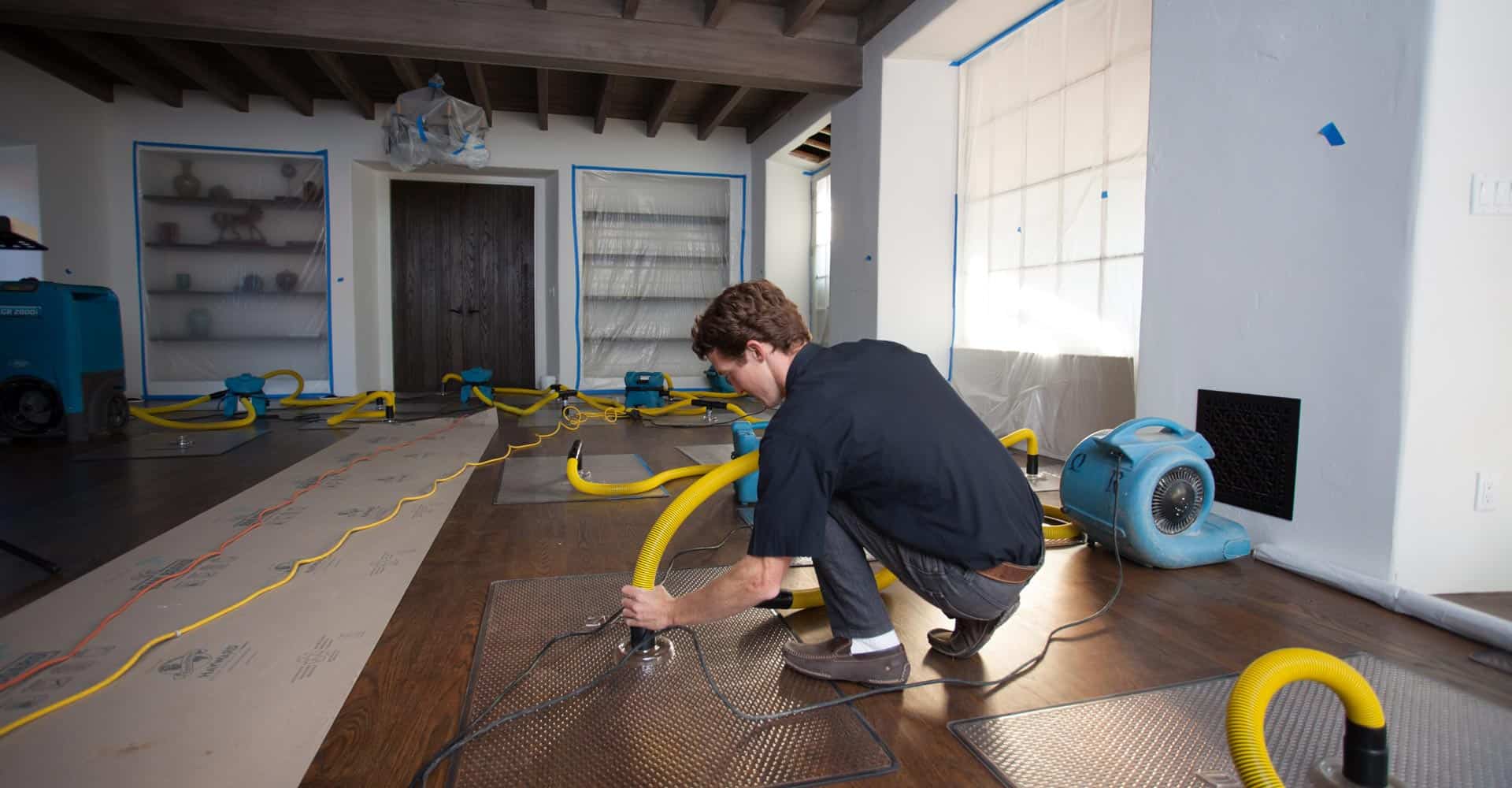
Once excess water is removed, the drying process begins:
- Use air movers and dehumidifiers to accelerate drying.
- Open windows and doors for ventilation.
- Remove carpets, furniture, and affected drywall if necessary.
5. Mold Prevention and Sanitization
Mold can develop within 24-48 hours after water exposure. To prevent mold growth:
- Disinfect affected surfaces with antimicrobial solutions.
- Remove and replace contaminated insulation or drywall.
- Use HEPA air scrubbers to improve air quality.
6. Repair and Restoration
Depending on the extent of damage, restoration may include:
- Patching and repainting walls.
- Replacing flooring and damaged wood structures.
- Restoring electrical and plumbing systems if necessary.
When to Call a Professional
While minor water damage can sometimes be managed with DIY methods, professional restoration services are recommended in cases of:
- Extensive flooding affecting multiple rooms.
- Contaminated water exposure (gray or black water).
- Structural damage to walls, ceilings, or foundations.
- Persistent mold growth or strong odors.
Preventing Future Water Damage
To minimize the risk of future incidents:
- Regularly inspect plumbing for leaks and corrosion.
- Maintain gutters and downspouts to direct water away from the foundation.
- Install sump pumps and water leak detection systems.
- Ensure proper ventilation in bathrooms, kitchens, and basements.
Conclusion
Water damage restoration is a multi-step process that requires quick action, proper techniques, and, in some cases, professional assistance. Understanding how to assess, mitigate, and repair water damage can save homeowners time and money while preventing long-term structural and health issues. If you ever face water damage, acting fast is the key to restoring your property efficiently and safely.
Apart from that if you want to know about 24/7 Emergency Water Damage Restoration then please visit our Small business Category.