A strong seal is essential in any project exposed to water, weather, air movement, or vibration. From roofing and cladding to caravans, ductwork, and wet rooms, poorly sealed joints can lead to leaks, corrosion, reduced energy efficiency, and expensive repairs.
Butyl tape is widely used because it offers a practical way to create flexible, long-lasting seals across a wide range of materials. Understanding where it works best and how to apply it correctly can help contractors, manufacturers, and homeowners achieve more reliable results.
What Is Butyl Tape?
Butyl tape is a pressure-sensitive sealing material designed to bond to surfaces and prevent the passage of water, air, dust, and, in some applications, vapour. Unlike a liquid sealant, it comes in a ready-to-use tape or strip format, making it clean and straightforward to apply.
Its flexibility is one of its most valuable qualities. Many building components expand, contract, or move slightly over time due to temperature changes, wind, vibration, or normal use. A flexible seal can accommodate this movement better than a rigid material that may crack or separate.
Butyl tapes are available in different widths, thicknesses, backings, and adhesive formats. Selecting the right product depends on the materials being joined, the environment, and the performance required.
Common Uses for Butyl Tape
Butyl tape can be used in a wide variety of construction and industrial settings. Its versatility makes it suitable for both large-scale projects and detailed sealing work.
Roofing and Cladding
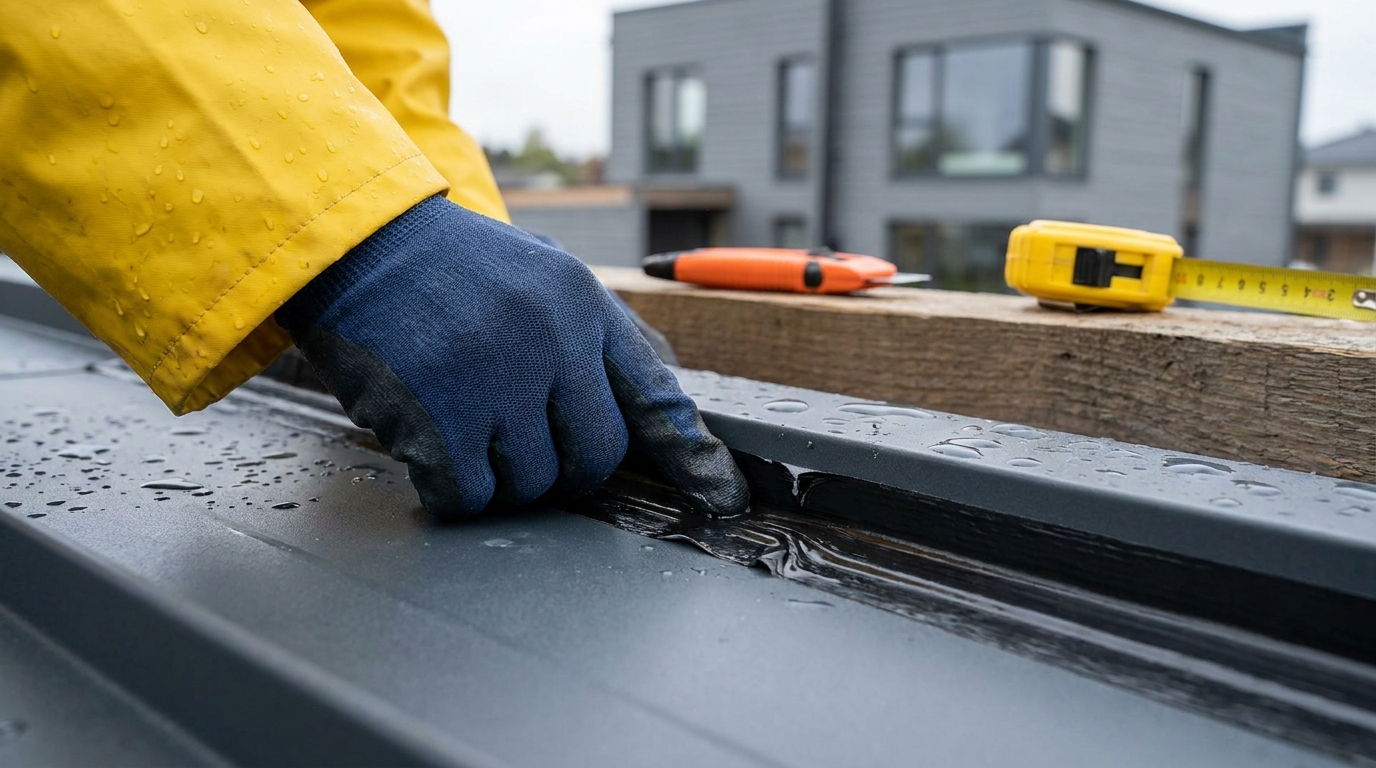
Roof joints, flashings, overlaps, and cladding systems all need dependable weatherproofing. Butyl tape can help seal gaps between compatible materials, including metal and fibre-cement components, while remaining flexible as the building moves.
For external applications, the tape should be selected specifically for exposure to weather, temperature variation, and the materials used on site.
Membranes and Building Envelopes
Membranes are often used to manage moisture and airflow within walls, roofs, and floors. Sealing laps and penetrations correctly is important to the performance of the wider building envelope.
A suitable butyl tape can provide a consistent seal around joints, service openings, and overlaps, helping reduce unwanted air and moisture movement. Surface preparation is especially important here, as dusty or damp materials can affect adhesion.
Wet Rooms and Bathrooms
Bathrooms, kitchens, shower areas, and utility rooms contain many joints where water can find its way behind finishes. Tape can be used around trims, baths, shower trays, drains, and wall-to-floor connections, depending on the system being installed.
Using the correct tape as part of a complete waterproofing approach helps protect surrounding structures from hidden moisture damage.
Vehicle and Caravan Construction
Vehicles, caravans, boats, and motorhomes are exposed to vibration, movement, and changing weather conditions. Butyl tape is useful for sealing body panels, roof fittings, windows, trims, and other joints where a durable yet flexible barrier is needed.
Its clean application can also help make assembly more efficient, particularly where consistent seals are required across multiple units.
Choosing the Right Butyl Tape
Not all sealing tapes are interchangeable. Before choosing a product, consider the exact requirements of the application.
Check Material Compatibility
The tape must be compatible with the surfaces being joined. Common materials may include aluminium, steel, concrete, plastics, glass, membranes, and painted surfaces. Always check the product guidance before use, particularly where coatings, plasticisers, or specialist membranes are involved.
Consider the Exposure Conditions
Think about whether the seal will face sunlight, rain, standing water, heat, cold, chemicals, vibration, or movement. An internal joint may need different performance characteristics from one on an exposed roof or vehicle exterior.
For specialist sealing requirements across roofing, membranes, wet rooms, HVAC, water tanks, and vehicle construction, HS Butyl provides a broad range of butyl tape solutions formulated for specific applications.
Match the Tape to the Joint
The width and thickness of the tape should suit the size and shape of the joint. A narrow strip may be appropriate for a small overlap, while wider or extruded profiles may be needed for uneven surfaces or larger gaps.
Avoid stretching the tape during application. Stretching can reduce its thickness and make it less effective over time.
Best Practices for Application
Good installation is just as important as choosing the right tape. Begin with a clean, dry, sound surface that is free from dust, grease, loose material, and standing water.
Apply the tape evenly without wrinkles or gaps, then press it firmly into place to create full contact with the substrate. For overlaps, corners, and complex details, take extra care to avoid channels where water or air could pass through.
Where a manufacturer provides installation instructions, primers, or compatibility guidance, follow them closely. This is particularly important for regulated, high-performance, or safety-critical projects.
FAQ
Many butyl tapes are designed to form watertight seals, but suitability depends on the specific product and application. Always check the product specification before use.
Yes, certain butyl tapes are made for outdoor applications such as roofing, cladding, and vehicle construction. Choose a tape designed to withstand the relevant weather conditions.
It can be suitable for some uneven surfaces because of its flexible nature. However, heavily textured, dirty, or unstable surfaces may need preparation or a different sealing solution.
No. Butyl tape is highly effective for many joints and overlaps, but the correct sealing method depends on the materials, movement, exposure, and project specification.
Conclusion
Butyl tape offers a reliable, clean, and flexible solution for sealing a wide range of joints. When the correct product is selected and applied carefully, it can help protect buildings, vehicles, and installations from water ingress, air leakage, and long-term deterioration.
The key is to assess the application properly, prepare surfaces thoroughly, and use a tape designed for the conditions the finished seal will face.
Apart from that, if you are interested to know about Why Should B2B Companies Invest in Product Packaging then visit our Industry category.