
In industries where precision and reliability define success, packaging becomes far more than a protective layer. It becomes a critical part of the manufacturing and logistics process. Aerospace and automotive sectors demand advanced solutions that safeguard components, streamline operations, and support strict quality standards. Effective aerospace packaging and automotive packaging solutions ensure that every part, no matter how complex or sensitive, arrives exactly as intended.
As supply chains grow more sophisticated and global, businesses increasingly rely on a trusted industrial packaging supplier to deliver consistency, innovation, and performance. From fragile aerospace instruments to high-volume automotive components, packaging must meet exacting requirements while supporting efficiency and cost control.
The Unique Demands of Aerospace Packaging
Aerospace packaging operates in one of the most demanding environments in modern industry. Components used in aircraft and space systems are often high-value, precision-engineered, and highly sensitive to environmental conditions. Even minor damage during shipping or storage can result in significant financial loss or operational delays.
To meet these challenges, aerospace packaging focuses on advanced protective engineering. Materials must absorb shock, reduce vibration, and prevent exposure to moisture and contaminants. Anti-static solutions are often required for electronic components, while corrosion-resistant materials protect metal parts during long transit periods.
A skilled packaging supplier approaches aerospace packaging with a detailed understanding of each component’s requirements. Custom-designed inserts, rigid containers, and sealed packaging systems work together to ensure that parts remain secure and stable throughout their journey. This level of precision not only protects the product but also supports compliance with strict industry regulations.
Automotive Packaging and the Need for Speed and Efficiency
While aerospace packaging prioritizes extreme precision, automotive packaging focuses heavily on efficiency and scalability. The automotive industry operates on high-volume production cycles, where timing is critical. Packaging must support rapid movement of parts while maintaining consistent protection.
Automotive packaging solutions are designed to integrate seamlessly into supply chains that rely on just-in-time delivery. Components must arrive at the right place, at the right time, and in the right condition. Any disruption can impact production schedules and increase costs.
An experienced industrial packaging supplier develops systems that optimize both protection and handling. Stackable containers, returnable packaging systems, and standardized pallet designs improve logistics efficiency. These solutions reduce waste, maximize storage space, and support continuous production flow.
At the same time, automotive packaging must address durability. Containers are often reused multiple times, requiring materials that can withstand repeated handling, transportation, and environmental exposure.
Custom Packaging Design for Complex Applications
Both aerospace packaging and automotive packaging require highly customized solutions. Each component presents unique challenges related to size, weight, fragility, and handling requirements. Standard packaging rarely meets these needs effectively.
The design process begins with a thorough analysis of the product and its supply chain journey. Engineers evaluate how the product will be transported, stored, and handled at each stage. This allows a packaging supplier to develop solutions that minimize risk and improve efficiency.
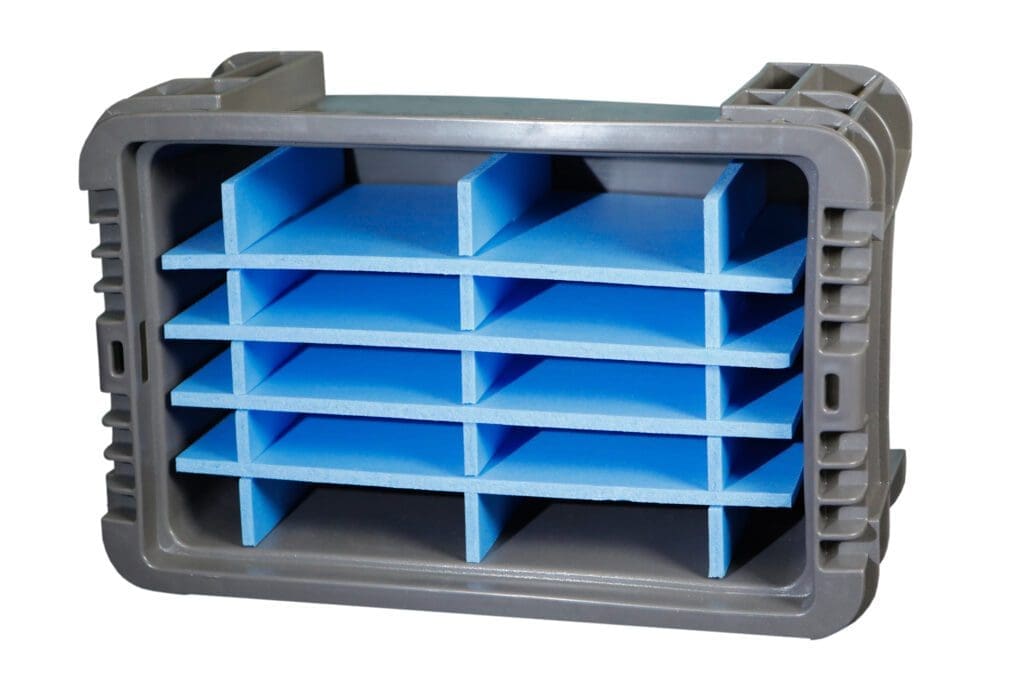
Custom foam inserts are often used to cradle delicate components, preventing movement and absorbing impact. Heavy-duty crates provide structural support for large or heavy items, while specialized materials offer protection against environmental factors such as humidity and temperature fluctuations.
Advanced design technologies, including 3D modeling and prototyping, allow manufacturers to test packaging performance before implementation. This ensures that solutions meet both functional and operational requirements.
Improving Logistics and Supply Chain Performance
Packaging plays a vital role in optimizing logistics. Well-designed packaging reduces handling time, improves storage efficiency, and minimizes transportation costs. In both aerospace and automotive industries, these improvements can have a significant impact on overall performance.
Aerospace packaging must often support long-distance transportation across multiple modes, including air, sea, and land. Lightweight yet durable materials help reduce shipping costs while maintaining protection. Packaging designs also facilitate easy handling, reducing the risk of damage during loading and unloading.
Automotive packaging, on the other hand, focuses on speed and repeatability. Returnable packaging systems are widely used to support continuous production cycles. These systems reduce waste and ensure that packaging is always available when needed.
A knowledgeable industrial packaging supplier works closely with manufacturers to identify opportunities for improvement. By analyzing workflows and transportation routes, they can design packaging solutions that enhance efficiency and reduce bottlenecks.
Sustainability and Environmental Responsibility
Sustainability has become a key consideration in modern packaging design. Both aerospace and automotive industries are working to reduce their environmental impact, and packaging plays an important role in achieving this goal.
Reusable packaging systems are one of the most effective ways to reduce waste. These systems are designed for multiple use cycles, minimizing the need for disposable materials. In automotive packaging, returnable containers are widely used to support sustainable operations.
Recyclable materials, such as corrugated cardboard and certain plastics, also contribute to environmental goals. Lightweight packaging designs further reduce carbon emissions by lowering transportation weight.
A forward-thinking packaging supplier incorporates sustainability into every stage of the design process. By selecting eco-friendly materials and optimizing packaging efficiency, they help businesses meet environmental targets while maintaining performance and reliability.
Meeting Industry Standards and Compliance Requirements
Compliance is a critical aspect of both aerospace and automotive packaging. These industries operate under strict regulations that govern material handling, safety, and quality standards.
In aerospace, packaging must meet requirements related to contamination control, traceability, and documentation. Proper labeling and handling instructions are essential to ensure that components are managed correctly throughout the supply chain.
Automotive packaging must also meet rigorous standards, particularly in terms of durability and performance. Packaging systems must maintain their integrity over repeated use and provide consistent protection for components.
An experienced industrial packaging supplier ensures that all packaging solutions meet relevant standards and regulations. This reduces the risk of delays, product damage, and compliance issues.
Cost Efficiency Through Smart Packaging Strategies
Cost management is a constant priority for manufacturers. Effective packaging strategies can significantly reduce both direct and indirect costs.
Optimized packaging design reduces material usage without compromising protection. Efficient packaging configurations improve space utilization, lowering storage and transportation expenses.
Returnable packaging systems provide long-term cost savings by reducing the need for continuous replacement. These systems also support sustainability goals, creating additional value for businesses.
A strategic packaging supplier evaluates the total cost of ownership when developing solutions. This approach ensures that packaging delivers maximum value over its lifecycle.
Adapting to Industry Innovation
Both aerospace and automotive industries are undergoing rapid transformation. Advances in technology, materials, and manufacturing processes are creating new challenges and opportunities for packaging.
In the automotive sector, the rise of electric vehicles has introduced new packaging requirements. Battery systems, for example, require specialized protection to ensure safety during transport. These components are often heavy, sensitive, and subject to strict handling guidelines.
In aerospace, the use of advanced materials and lightweight components requires equally advanced packaging solutions. Protective systems must be designed to accommodate these innovations while maintaining performance and compliance.
A proactive industrial packaging supplier stays ahead of these trends, developing solutions that support emerging technologies and evolving industry needs.
Building a Strong Partnership with a Packaging Supplier
Choosing the right packaging supplier is essential for long-term success. A strong partnership goes beyond providing materials; it involves collaboration, innovation, and continuous improvement.
The right supplier takes the time to understand your business, your products, and your operational challenges. This allows them to develop customized solutions that deliver real value.
Experience and expertise are also critical. A supplier with a proven track record in aerospace packaging and automotive packaging can provide insights and recommendations that improve performance and efficiency.
Reliability is equally important. Consistent quality, timely delivery, and responsive support ensure that your packaging solutions continue to meet your needs as your business grows.
Conclusion: Packaging That Powers Performance
Aerospace and automotive packaging are essential to the success of modern manufacturing. They protect valuable components, support efficient operations, and ensure that products reach their destination in perfect condition.
By partnering with a trusted industrial packaging supplier, businesses can transform packaging into a powerful tool for growth. From custom design and compliance to sustainability and cost efficiency, the right solutions deliver measurable benefits across the entire supply chain.
As industries continue to evolve, the importance of innovative and reliable packaging will only increase. Investing in high-quality aerospace packaging and automotive packaging solutions today ensures that your operations remain efficient, resilient, and ready for the future.