
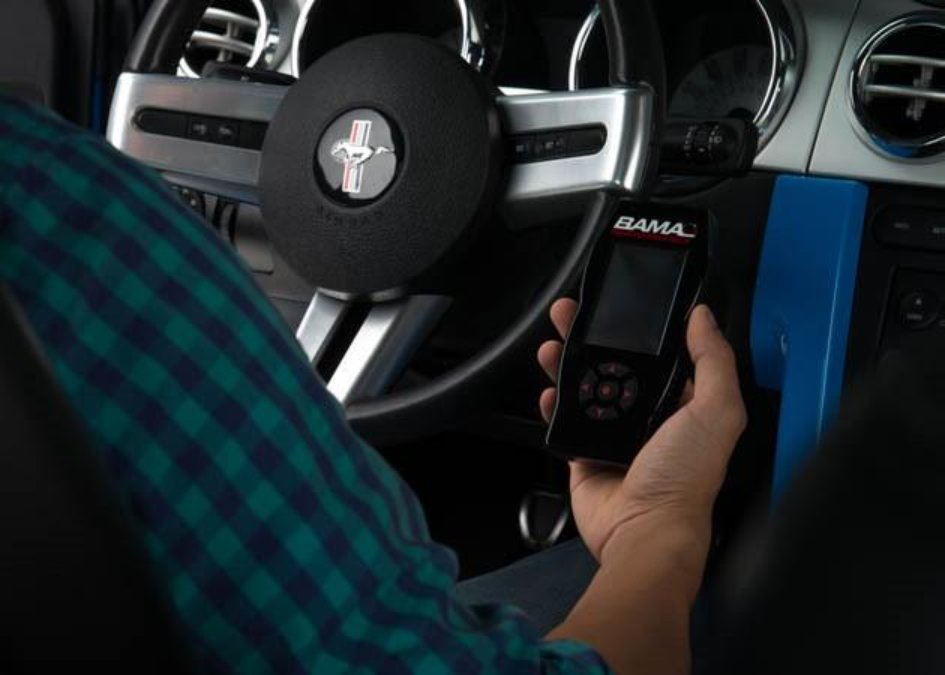
Modern motorcycles offer incredible performance straight from the factory, but many riders look to optimize their machines further. Handheld tuners have become an essential tool for riders seeking to adjust engine parameters and maximize performance for street riding, track days, or custom performance buildings. Choosing the right handheld tuner is crucial to ensure compatibility, precision, and safety while getting the most out of your motorcycle.
Key Features to Consider in a Handheld Tuner
When selecting a handheld tuner, it is important to evaluate features that match your riding needs. One critical aspect is ECU compatibility. Different motorcycles have unique Engine Control Units, and not every tuner supports every make or model. Ensuring that the tuner is compatible with your specific motorcycle will prevent frustration and avoid potential issues during tuning.
Another important feature is real-time adjustment capability. Some tuners allow riders to make on-the-fly changes to fuel maps, ignition timing, and throttle response while monitoring performance data. This feature is particularly beneficial for track riders or performance enthusiasts who need to fine-tune settings under varying conditions.
Additional features to consider include preloaded maps for popular modifications, the ability to store custom maps, and data logging capabilities. These functionalities allow riders to experiment with changes safely, track performance improvements, and switch between setups quickly depending on whether they are riding on the street or track.
Selecting A Tuner for Street Riding Vs Track Performance
Street riding and track performance often require different tuning approaches, and your handheld tuner should reflect these priorities. For street riders, ease of use and reliability are key. A tuner with preloaded maps for common aftermarket upgrades, such as exhausts or air filters, can simplify the tuning process and ensure smooth, predictable throttle response for everyday riding.
Track-focused tuning, on the other hand, demands greater precision and flexibility. Tuners that provide detailed telemetry, real-time adjustments, and customizable maps are ideal for high-performance builds. These features allow riders to optimize power delivery, air-fuel ratios, and throttle mapping to match track conditions, rider style, and specific performance goals.
For riders with performance builds, including high-flow exhaust systems, velocity stacks, or upgraded intakes, it’s essential to choose a tuner capable of handling extensive modifications. The ability to fine-tune each parameter and monitor engine metrics ensures that the bike performs optimally without risking damage or detonation.
Tips For Getting the Most Out of Your Handheld Tuner
To maximize the benefits of a handheld tuner, start by familiarizing yourself with its features and reading the manufacturer’s guidelines. Incremental adjustments are safer than large changes, especially when tuning a high-performance engine. Regularly reviewing telemetry data and engine diagnostics can prevent issues and help achieve the ideal balance of performance and reliability.
Pairing your tuner with professional guidance or reputable online resources can further improve results. Whether you are a street rider looking for smoother power delivery or a track enthusiast aiming for peak performance, a thoughtful approach to handheld tuning ensures safety and maximizes the potential of your motorcycle.
Conclusion
Choosing the right handheld tuner is a critical step for riders seeking to enhance their motorcycle’s performance. By considering compatibility, real-time adjustment features, and the intended use—street, track, or performance builds—riders can select a device that delivers precision, reliability, and versatility. When used methodically, a quality handheld tuner transforms your riding experience, allowing your motorcycle to perform at its best in every scenario.