
Key Takeaways:
- Proper disposal of old vehicles prevents environmental contamination and promotes the recycling of materials.
- Options include selling to licensed junkyards, donating to charities, or recycling through certified facilities.
- Understanding local regulations and preparing necessary documentation is crucial for a smooth disposal process.
Why Responsible Disposal Matters
The responsible disposal of old vehicles is essential not only for the environment but also for community health and safety. Failing to dispose of old cars properly can result in toxic leakage from batteries, oil, and other fluids, causing soil and water contamination. By opting for responsible methods, you can prevent such hazards, encourage recycling, and prevent hazardous materials from entering local landfills. It’s equally important to understand the processes available for those who may not have complete paperwork. You can even sell junk car no title in some cases, making responsible disposal accessible to more car owners.
Responsible vehicle disposal recycles materials like steel, aluminum, and plastics, reducing raw material extraction and environmental impacts. Many communities offer accessible disposal options suited to your area. Removing derelict cars improves neighborhood aesthetics and safety by preventing pest attraction and hazards, showing accountability for their full lifecycle. Whether driven by environmental, space, or community concerns, understanding your options simplifies the process and benefits everyone.
Selling to Licensed Junkyards
For many car owners, selling an old vehicle to a licensed junkyard is the simplest and fastest way to dispose of it. Licensed junkyards comply with state regulations and use environmentally responsible technology for vehicle dismantling and recycling. The process is straightforward: the junkyard typically evaluates the car based on its weight, age, condition, and market demand for metals and parts. Most reputable junkyards offer prompt removal services and handle the paperwork, providing peace of mind and convenience.
It’s critical to select a state-certified junkyard. These facilities are held to higher standards in managing fluids and hazardous components, which directly helps minimize environmental risks. Taking this extra step ensures your vehicle will be handled with care and in line with legal requirements. For example, some regions have specific directories or databases you can use to confirm a business’s certification status.
Donating to Charity
Donating a car to charity can be a rewarding experience. Many nonprofits accept vehicles in nearly any condition and may pick up non-operational cars. Charities use the car to support their work, sell it for parts, or auction it to fund their missions. This not only supports a good cause but may also offer tax benefits if the organization is a registered 501(c)(3) entity. Document every step of the donation, including the charity’s tax-exempt status and transfer of ownership, for legal reasons and potential tax deductions. The IRS has specific rules regarding documentation and claimed value, so be sure to check their guidelines to maximize benefits.
Recycling at Certified Facilities
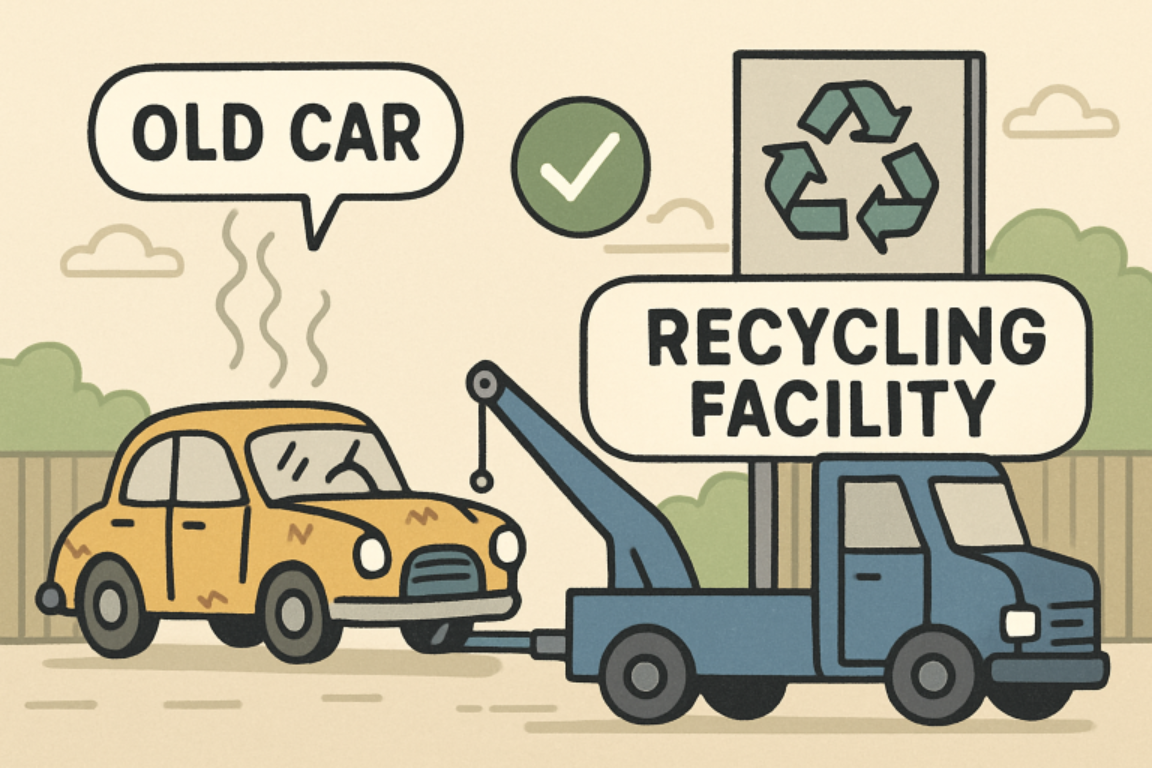
Turning to certified auto recyclers is another practical and environmentally positive approach. These facilities carefully drain, remove, and dispose of harmful fluids, then deconstruct vehicles to reclaim valuable metals, plastics, and glass. The harvested materials are cleaned and processed for use in new products, reducing the need for virgin resources and decreasing pollution.
Many metropolitan areas, such as Los Angeles, offer dedicated recycling services that adhere to the strictest environmental guidelines, helping residents responsibly break down and repurpose old cars.
Preparing Your Vehicle for Disposal
Before handing your car over to any service, take time to remove all personal items and check every compartment, including the trunk and glove box. Ensure you have the car’s title or proof of ownership. Although some services can help you proceed if these documents are missing, additional steps or verification may be required.
Some facilities may request that you drain gasoline or other fluids in advance; however, many licensed services handle this step as part of their process. Double-check the specific requirements of the business you choose to avoid unexpected delays or fees.
Understanding Legal Requirements
Legal responsibilities surrounding vehicle disposal can vary significantly from state to state. Almost universally, you must notify your local Department of Motor Vehicles (DMV) that you no longer own the car, which can help you avoid future parking tickets or tax assessments. Completing a bill of sale and canceling insurance are additional recommended steps.
Some states have implemented environmental initiatives to track the recycling and disposal of end-of-life vehicles. Familiarize yourself with these programs, as compliance helps prevent legal hassles and supports broader public health strategies.
Environmental Benefits of Proper Disposal
Choosing responsible disposal benefits the environment by conserving energy and raw materials and protecting habitats from pollution. Recycling steel from old cars uses less energy than producing new steel, thereby reducing greenhouse gas emissions. The safe removal of hazardous substances, such as battery acids, prevents pollution of rivers and soil, thereby protecting wildlife and water supplies. Donating, recycling, or selling end-of-life vehicles responsibly clears space, saves money, and promotes sustainability, making neighborhoods cleaner and safer.
Conclusion
Responsible car disposal is more than simply getting rid of an old or unwanted vehicle. By selling to licensed junkyards, donating to reputable charities, or choosing certified recycling facilities, you ensure not only legal compliance but also environmental stewardship. Always follow preparation guidelines and local regulations for the smoothest process possible. The choices you make directly impact your community and the environment—so approach vehicle disposal with care and responsibility for the benefit of all.
If we want to know about The World of Truck Drivers Navigating the Highways of Commerce then visit our Transportation category.