When water, fire, or mold damage strikes, every second counts. The longer your property remains untreated, the higher the risk of secondary damage—which can include mold growth, structural weakening, electrical hazards, and long-term contamination. Rapid response restoration is crucial to minimizing these risks and ensuring a faster, less costly recovery.
So, how does quick action prevent further destruction, and why should you seek immediate restoration services after a disaster? Let’s discuss.
What is Secondary Damage?
Secondary damage refers to additional deterioration that occurs after the initial damage event, usually due to delayed or incomplete restoration. While primary damage is caused by the initial water, fire, or mold incident, secondary damage develops over time due to moisture, bacterial growth, and structural instability.
Common Types of Secondary Damage:
🔹 Mold Growth – This can begin within 24-48 hours after water exposure.
🔹 Structural Weakening – Prolonged water damage can weaken floors, ceilings, and walls.
🔹 Electrical Issues – Water damage near electrical wiring can cause shorts or fire hazards.
🔹 Odor and Air Quality Problems – Lingering moisture and bacteria can cause persistent musty smells.
🔹 Warped and Swollen Materials – Wood, drywall, and flooring absorb moisture and may become unsalvageable.
💡 Pro Tip: The longer water, smoke, or mold remains untreated, the more extensive and costly the repairs become.
Step 1: Immediate Water Extraction to Prevent Soaking & Mold Growth
One of the biggest causes of secondary damage is standing water left untreated. The longer water remains, the deeper it penetrates walls, floors, and furniture, leading to warping, swelling, and mold growth.
How Rapid Water Removal Helps:
✔ Prevents Mold Growth – Mold spores thrive in damp conditions and can spread quickly.
✔ Protects Flooring and Drywall – Quick removal prevents warping and structural damage.
✔ Reduces Health Risks – Stagnant water can carry bacteria, sewage, and contaminants.
Rapid Response Techniques for Water Extraction:
✅ Industrial Wet/Dry Vacuums – Quickly remove large amounts of standing water.
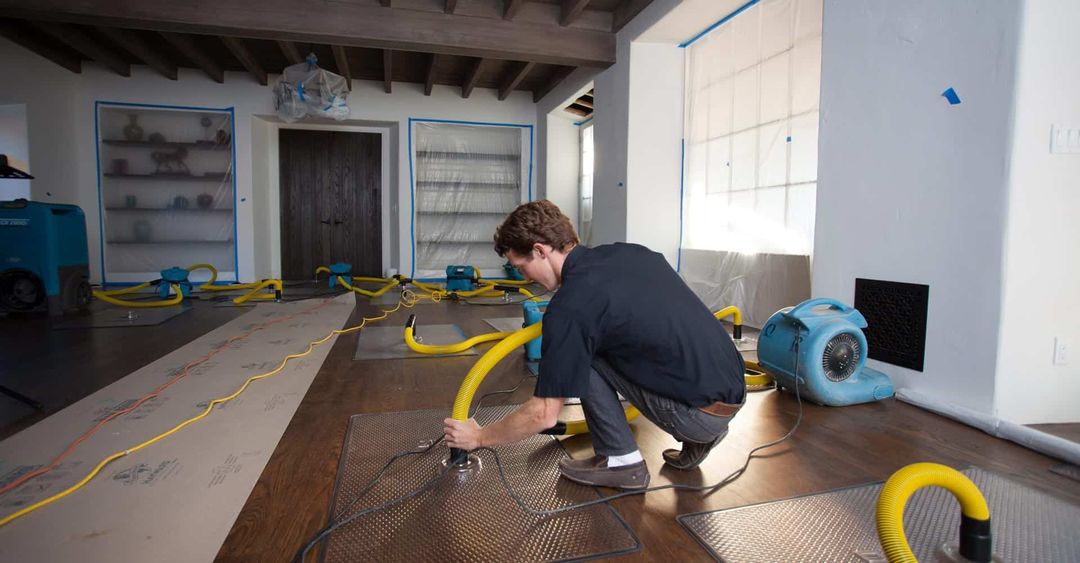
✅ High-Speed Fans & Dehumidifiers – Dry out affected areas efficiently.
✅ Moisture Meters & Infrared Cameras – Identify hidden water behind walls and under floors.
💡 Pro Tip: Even if surfaces look dry, hidden moisture can cause mold growth—professional moisture detection ensures complete drying. The team at TheDryGuy.com provides top-notch water damage restoration in Denton, TX, ensuring thorough drying and mold prevention with industry-leading equipment and expertise.
Step 2: Preventing Mold and Mildew Growth
Mold is one of the fastest-developing secondary damages after water intrusion. It thrives in damp environments and can start growing within 24-48 hours. Once mold takes hold, it spreads rapidly and can be difficult (and expensive) to remove.
How Quick Restoration Prevents Mold:
✔ Rapid Drying with Dehumidifiers – Removes excess moisture from the air and surfaces.
✔ Antimicrobial Treatments – Prevent mold spores from settling and growing.
✔ Air Scrubbers – Remove airborne mold spores before they spread.
Signs That Mold May Be Developing:
🔹 Musty Odors – A damp, earthy smell often signals hidden mold.
🔹 Discoloration on Walls or Ceilings – Yellow, brown, or green spots may indicate mold colonies.
🔹 Peeling Paint or Wallpaper – Moisture behind walls can cause bubbling or warping.
💡 Pro Tip: If you suspect mold, don’t wait! The faster the restoration team arrives, the better the chances of preventing an outbreak.
Step 3: Structural Drying to Prevent Rot and Warping
If water remains trapped in materials like wood, drywall, and insulation, it can cause severe structural damage over time. Water-damaged wood becomes weakened, soft, and prone to rot, while drywall can crumble and lose its integrity.
Why Rapid Drying is Essential:
✔ Prevents Wood Rot & Decay – Wet structural materials can deteriorate if left untreated.
✔ Stops Drywall from Collapsing – Water-damaged drywall loses its strength and must be replaced if not dried quickly.
✔ Preserves Floors & Ceilings – Swollen floorboards and ceilings may need costly repairs if drying is delayed.
Structural Drying Techniques Used in Rapid Restoration:
✅ High-Powered Dehumidifiers – Extract moisture from the air to prevent material absorption.
✅ HEPA Air Movers – Circulate dry air to speed up evaporation.
✅ Specialized Drying Mats – Used to extract moisture from hardwood floors.
💡 Pro Tip: Structural drying should begin within the first 24 hours after water exposure to prevent irreversible damage
Step 4: Smoke and Soot Cleanup to Prevent Permanent Stains
In the case of fire damage, secondary damage comes from soot, smoke residue, and lingering odors. If not addressed immediately, smoke particles can embed into walls, ceilings, and fabrics, making restoration much more difficult.
How Quick Fire Damage Restoration Prevents Further Damage:
✔ Immediate Soot Removal – Prevents permanent staining on walls and surfaces.
✔ Air Filtration Systems – Eliminates toxic smoke particles from the air.
✔ Deodorization Treatments – Removes persistent smoke smells from furniture and carpets.
Common Secondary Fire Damage Issues:
🔹 Yellowing & Staining on Surfaces – Soot residue can permanently discolor walls and ceilings.
🔹 Corrosion of Metals – Smoke and ash contain acidic particles that can corrode appliances and fixtures.
🔹 Health Hazards from Residual Smoke Particles – Fine soot can linger in the air and affect respiratory health.
💡 Pro Tip: The sooner soot and smoke damage are cleaned, the easier it is to restore affected materials.
Step 5: Preventing Electrical and HVAC System Failures
Another overlooked consequence of water, fire, or mold damage is the risk to electrical and HVAC systems. Moisture in walls, outlets, and ducts can cause short circuits, electrical fires, or system malfunctions.
How Rapid Restoration Protects Electrical Systems:
✔ Moisture Detection in Walls – Ensures water hasn’t reached wiring or outlets.
✔ Inspection of HVAC Ducts – Prevents mold spores from spreading through ventilation systems.
✔ Immediate Power Shutdown if Needed – Prevents fire hazards in flooded areas.
💡 Pro Tip: Never turn on electrical appliances in a flood-damaged area until a professional has inspected the wiring.
Final Thoughts: Why Speed Matters in Damage Restoration
When disaster strikes, time is your biggest enemy or greatest advantage. Rapid response restoration prevents costly secondary damage, reduces health risks, and speeds up recovery.
Apart from that, if you are interested to know about “Commercial Roofing Solutions for Long-Lasting Durability” then visit our “Business” category.
Key Takeaways:
✅ Water removal must happen within hours to prevent mold and structural damage.
✅ Mold growth can start in 24-48 hours, making quick-drying essential.
✅ Structural drying protects floors, walls, and ceilings from long-term damage.
✅ Fire damage restoration must happen fast to prevent soot stains and corrosion.
✅ Electrical and HVAC inspections ensure safety after a disaster.