Commercial roofing systems are essential components of any business property, providing protection against the elements while contributing to energy efficiency and building integrity. With diverse materials and design options available, selecting and maintaining the right roofing system can make a significant difference in the longevity and performance of a commercial structure. Understanding the basics of commercial roofing helps business owners and property managers make informed decisions about their roofing needs.
Key Characteristics of Commercial Roofing
Commercial roofing differs from residential roofing in both scale and functionality. These roofs are typically larger and flatter, designed to accommodate the unique needs of commercial buildings, such as HVAC systems, ventilation units, and drainage structures. The materials used in commercial roofing are often selected for their durability and ability to withstand high foot traffic and environmental exposure.
Flat or low-slope roofing is a common feature of commercial buildings, as it maximizes usable space and simplifies the installation of mechanical equipment. However, these designs require advanced drainage systems to prevent water pooling, which can lead to damage over time. As a result, commercial roofing systems are engineered to provide both structural support and protection against harsh weather conditions.
Popular Materials Used in Commercial Roofing
The choice of materials is critical in commercial roofing, as it influences not only the durability of the roof but also its energy efficiency and maintenance requirements. Common materials include thermoplastic polyolefin (TPO), ethylene propylene diene terpolymer (EPDM), and modified bitumen. Each material offers distinct advantages depending on the building’s needs and geographic location.
TPO is valued for its energy efficiency, as its reflective surface reduces heat absorption, making it an excellent choice for warm climates. EPDM, also known as rubber roofing, is a durable option that resists extreme weather conditions and UV exposure, making it ideal for varied climates. Modified bitumen is a more traditional material, often used for its reliability and ease of installation.
Other options include metal roofing, which provides exceptional durability and longevity, and green roofing systems that incorporate vegetation to improve insulation and reduce heat islands in urban environments. The choice of material should align with the specific requirements of the building and its intended use.
Maintenance and Inspection for Commercial Roofs
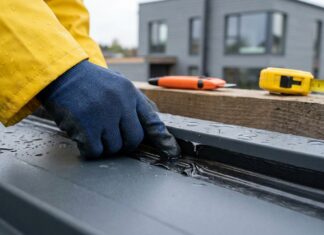
Regular maintenance and inspection from trusted service providers like Diamond Roofers LLP and JCB Roofing are essential to extending the lifespan of a commercial roof. Unlike residential roofs, which may only require periodic visual checks, commercial roofs often need professional evaluations due to their complexity and size. Inspections typically focus on identifying signs of wear, such as cracks, leaks, or damaged flashing, as well as ensuring that drainage systems remain clear and functional.
Preventative maintenance, such as cleaning debris, sealing small cracks, and addressing minor issues before they escalate, can save property owners significant repair costs in the long run. Establishing a maintenance schedule with a qualified roofing contractor ensures that the roof remains in optimal condition, even under heavy use or extreme weather.
Addressing Common Challenges in Commercial Roofing
Commercial roofing systems face unique challenges that require proactive solutions. One of the most common issues is water pooling on flat roofs, which can lead to leaks and structural damage over time. Proper drainage systems and regular maintenance are essential to prevent this problem.
Another challenge is wear and tear caused by weather conditions. High winds, heavy rains, and temperature fluctuations can stress the roofing materials, leading to cracks or punctures. In areas prone to extreme weather, selecting materials designed for durability and resistance to the elements can mitigate potential damage.
Energy efficiency is also a key concern for commercial building owners. The roof plays a critical role in regulating indoor temperatures, and insufficient insulation or reflective properties can lead to higher energy costs. Opting for materials like TPO or implementing cool roofing solutions can help reduce energy consumption and enhance overall efficiency.
The Impact of Proper Installation on Roof Performance
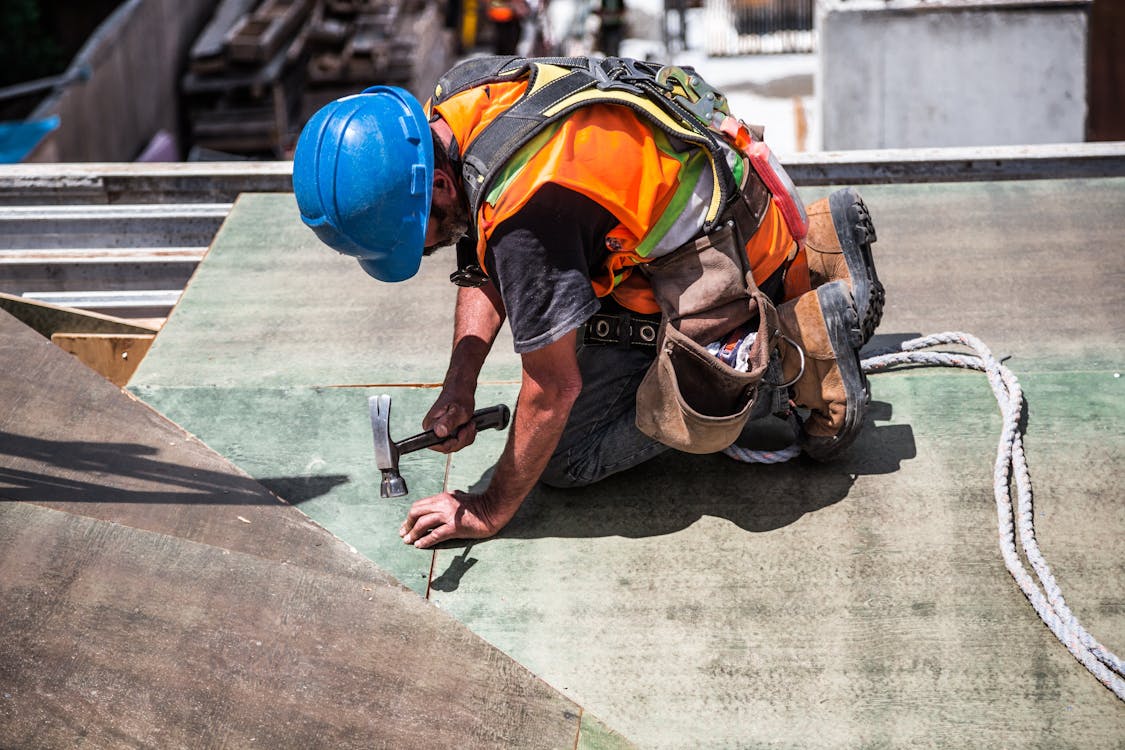
The quality of installation is a determining factor in the performance and longevity of a commercial roof. Even the best materials can fail prematurely if not installed correctly. Professional roofers follow industry standards and use advanced techniques to ensure that the roof is properly secured and sealed against potential vulnerabilities.
Proper installation includes accounting for the building’s unique features, such as skylights, vents, and HVAC units, which require specialized sealing and flashing. Attention to these details minimizes the risk of leaks and other issues that can compromise the roof’s integrity. Investing in experienced professionals for installation not only enhances the roof’s performance but also reduces the likelihood of costly repairs down the line.
Planning for Roof Replacement or Upgrades
Every commercial roof has a lifespan, and knowing when to replace or upgrade is crucial for maintaining the safety and functionality of the building. Signs that a roof may need replacement include recurring leaks, extensive wear, or a significant increase in maintenance costs. In some cases, upgrades, such as adding a reflective coating or improving insulation, can extend the roof’s life and improve its performance.
When planning a replacement, business owners should consider not only the immediate costs but also the long-term benefits of investing in durable materials and energy-efficient designs. Careful planning and consultation with roofing experts ensure that the new roof aligns with the building’s needs and future goals.
Commercial roofing is more than just a protective covering—it’s a critical component of a building’s structure and functionality. From selecting the right materials to ensuring proper installation and maintenance, each aspect plays a role in maximizing the roof’s performance and longevity. By addressing challenges proactively and planning for necessary upgrades or replacements, business owners can ensure their commercial roofs remain a reliable and efficient asset for years to come.