
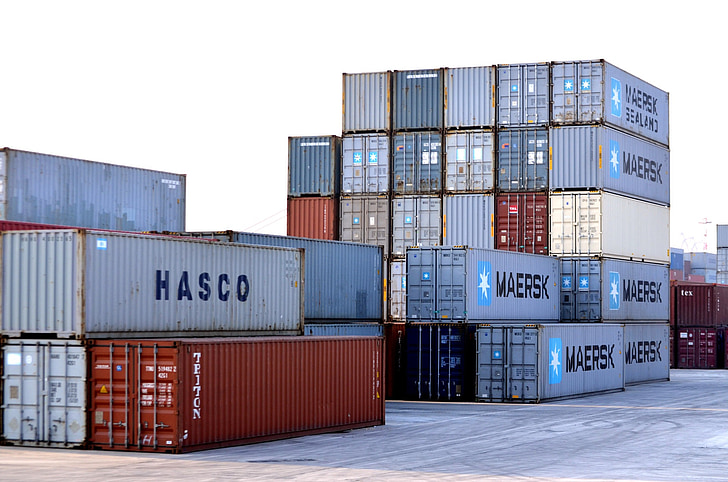
To buy shipping containers successfully, buyers need to understand more than size and price. Containers are industrial assets with varying histories, conditions, and logistical constraints. Without context, it is easy to overpay a unit that does not suit the intended use or underestimate the true cost of ownership.
This guide explains how container purchasing works in real-world conditions, what factors matter most, and where common misunderstandings arise.
What It Means to Buy a Shipping Container
Buying a shipping container typically involves purchasing a decommissioned or lightly used intermodal unit that has completed service in international trade. These containers are designed for durability, but their condition depends on age, cargo history, and maintenance.
In Canada, most containers originate from coastal ports and are redistributed inland. This supply chain affects both availability and pricing.
Container Grades and What They Actually Indicate
Containers are often sold using conditional grades rather than precise age. These grades are functional assessments, not cosmetic guarantees.
- One-trip containers have completed a single overseas journey and show minimal wear.
- Cargo-worthy containers remain structurally sound and suitable for transport.
- Wind and water-resistant containers are commonly used for storage but may show surface corrosion or dents.
Understanding these distinctions helps buyers evaluate listings when researching shipping containers for sale.
Pricing Factors Beyond the Container Itself
Container pricing is influenced by more than steel and size. Buyers often focus on unit cost while overlooking logistical variables.
Transportation and Site Access
Delivery costs vary depending on distance from the depot, road access, and unloading requirements. Tight access or uneven ground may require specialized equipment.
Regional Supply Fluctuations
Ports with high import volumes tend to have better container availability. Inland markets may experience higher prices due to repositioning costs.
These factors are why pricing can differ significantly even when comparing identical container sizes from different regions.
Common Mistakes First-Time Buyers Make
Assuming All Used Containers Are Equivalent
Two used containers of the same size can differ substantially in floor condition, door alignment, and corrosion. Inspection details matter.
Underestimating Modification Costs
Adding doors, windows, insulation, or electrical systems often exceeds the initial purchase price. Buyers should select container conditions with the final use in mind.
Use Cases That Influence Buying Decisions
The intended application should guide container selection for more than price alone.
- Storage applications prioritize dry interiors and functional doors.
- Conversion projects benefit from cleaner walls and minimal structural repairs.
- Temporary use may justify lower-grade units.
Buyers comparing options to buy shipping containers should align condition and cost with expected lifespan.
Regulatory and Placement Considerations
Shipping containers are often treated as accessory structures. Local zoning rules may govern placement, setbacks, or duration on-site. Some municipalities require permits if containers are used for long term or modified.
Ground preparation is also critical. Proper leveling and support reduce door warping and structural stress over time.
Evaluating Inventory and Availability
Because container availability changes frequently, buyers benefit from reviewing current listings rather than relying on outdated price expectations.
Examining active shipping container inventory provides insight into current sizes, conditions, and regional supply.
Frequently Asked Questions
Buying makes sense for long-term use, while short-term projects may benefit from rental depending on duration and access needs.
With proper placement and maintenance, used containers can remain functional for many years in storage applications.
Containers are designed to stack vertically, but proper corner casting alignment and ground support are essential.
Basic maintenance includes checking door seals, addressing surface corrosion, and ensuring proper drainage around the unit.