
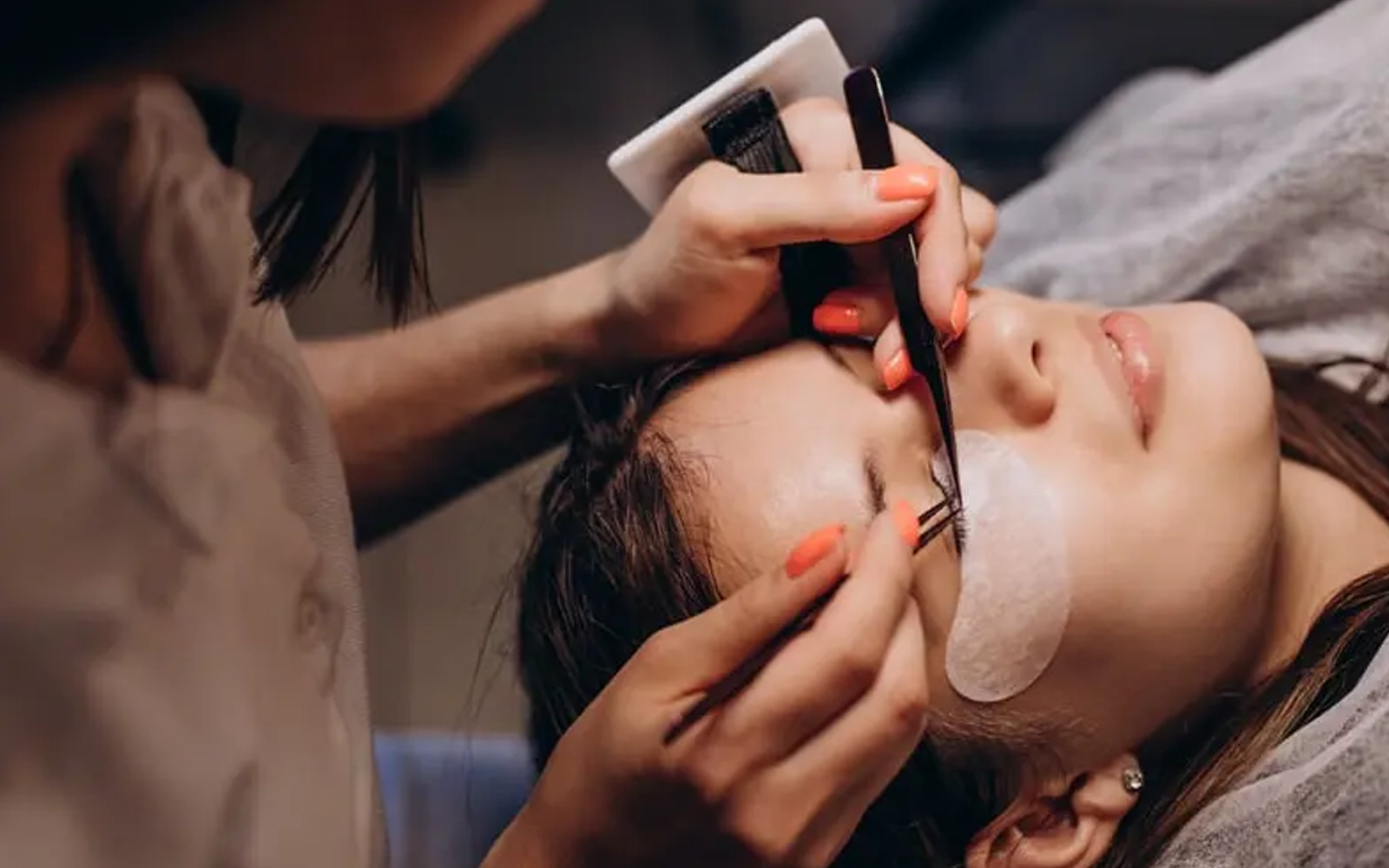
The quest for flawless skin has been a constant in the aesthetic industry, leading to the birth of innovative treatments that cater to varied cosmetic desires. From the aspiration of smooth, hair-free skin to the pursuit of a youthful glow, advanced skin aesthetics offer solutions that are as effective as they are transformative.
In this article, we delve into revolutionary skincare treatments — particularly laser hair removal, LED light therapy and lip filler enhancements — that are setting new benchmarks in the realm of beauty. Each works in a different way, suits different goals, and carries different considerations. Understanding what each one actually does, before booking anything, is the difference between a result you love and a disappointment you pay for.
Why Skin Aesthetics Has Changed
A decade ago, the most dramatic cosmetic results came from the most invasive procedures. Today the direction has reversed: the treatments gaining ground are the ones that deliver visible results with minimal intrusion and little or no downtime. That shift reflects what consumers now want — natural-looking results, treatments that fit around work and life, and safety as a given rather than a hope.
These innovations in skin aesthetics have not only widened the range of cosmetic possibilities but have also enhanced the safety and accessibility of various treatments. The move towards less invasive, yet highly effective treatments echoes the changing priorities of consumers in the beauty industry — an emphasis on sustainability and the pursuit of natural-looking results. Laser hair removal, LED light therapy and lip fillers represent the synergy between technological advancement and the evolving needs of society. They stand as testaments to the industry’s commitment to providing individuals the means to feel confident in their skin.
But technology is only half the story. Safety protocols and professional expertise remain vital components of these treatments, ensuring that the journey to enhanced beauty is as reliable as it is rewarding. A good device in inexperienced hands is still a risk; a good practitioner with the right device is the combination that matters.
Laser Hair Removal: A Seamless Journey to Silken Skin
Laser hair removal has revolutionized the concept of hair-free skin, offering a long-term solution to the inconvenience of regular shaving, waxing or epilating. Utilizing concentrated beams of light targeted at hair follicles, this method inhibits future hair growth, leaving skin smooth and free from unwanted hair.
How It Works
The laser emits light at a wavelength absorbed by the pigment (melanin) in the hair. That light energy converts to heat in the follicle, damaging it enough to slow or stop future growth. Because the light targets pigment, the treatment works best where there is strong contrast — dark hair against lighter skin — and it is less effective on very light, grey or red hair, where there is little pigment to absorb the light.
What the Process Involves
The process of laser hair removal is meticulous, requiring several sessions to achieve optimal results. Hair grows in cycles, and the laser is only effective on follicles in the active growth phase, so a single session can only treat a fraction of the hair in an area. Most people need a course of sessions spaced weeks apart, followed by occasional maintenance treatments.
The technology is precise enough to target specific areas, and due to its efficacy, it has become a preferred option for many. Common treatment areas include the legs, underarms, bikini line, face and back. With technological advancements, this procedure has become more convenient and accessible to a broad range of individuals, marking a significant development in the field of aesthetic treatments.
Who It Suits — and What to Ask First
As with any cosmetic procedure, there are variables in the efficacy based on the individual’s hair type, skin tone and the area being treated. Modern lasers are safer for a wider range of skin tones than early devices were, but darker skin still carries a higher risk of pigment changes, and the choice of laser type matters. Patients are advised to seek professional consultation to understand the treatment’s potential in meeting their personal aesthetic goals.
Before booking, ask: which laser will be used and is it suited to my skin tone? How many sessions are expected for my area? What should I avoid before and after treatment — sun exposure, fake tan, waxing? And what happens if the results are not what I expected? A reputable clinic answers all of these plainly, in writing, before taking payment.
The Luminosity of LED Light Therapy
As a non-invasive treatment, LED light therapy has garnered acclaim for its ability to rejuvenate skin, reduce the appearance of aging, and combat a range of skin concerns. LED, or Light Emitting Diode therapy, employs varied wavelengths of light to trigger the skin’s natural healing processes. From reducing inflammation to stimulating collagen production, the benefits of this therapy are manifold.
How Different Colours Do Different Jobs
This form of light therapy is customizable, with different spectrums addressing distinct skin issues. For instance, blue light is often employed in the battle against acne, as it has antibacterial properties, while red light is synonymous with anti-aging due to its ability to stimulate collagen. Other wavelengths are used for redness, wound healing and pigmentation, and a practitioner will usually combine them in a session tailored to your skin.
That customisation is one of LED therapy’s real strengths. Unlike a one-size-fits-all cream, the light can be tuned to the concern in front of the practitioner — and changed as the skin responds over a course of treatments.
Why It Fits Into Everyday Life
Moreover, LED light therapy is celebrated for its procedural ease and lack of downtime, paving the way for its integration into regular skincare routines. A session typically takes twenty minutes or so, involves lying under a panel of lights, and requires no recovery time — you can go straight back to work. Its safety profile stands out in the realm of skin treatments, making it suitable for frequent use and a range of skin types, according to the original.
That said, “suitable for frequent use” does not mean “suitable for everyone, always”. Anyone with a light-sensitive condition, anyone taking medication that increases light sensitivity, and anyone with an active skin infection should discuss it with a practitioner first. At-home LED masks have also become popular, but they are generally less powerful than professional devices, and the results reflect that.
LED Therapy as Maintenance, Not a Miracle
It helps to set expectations honestly. LED light therapy is best understood as a maintenance and support treatment: it improves skin quality gradually, supports healing, and complements other treatments. It will not replace a procedure designed for a specific structural concern. Used regularly, as part of a sensible skincare routine, it earns its place; used once, expecting transformation, it will disappoint.
Enhancing Natural Beauty with Lip Fillers
In the pursuit of aesthetic balance and facial symmetry, lip fillers have become a popular option for enhancing one’s pout. This minimally invasive cosmetic treatment involves the injection of hyaluronic acid or other biocompatible substances to add volume, shape and structure to the lips.
What They Do
The popularity of lip filler treatments can be attributed to their immediate results and customizability. Specialists can tailor the treatment to meet individual preferences, whether the goal is a subtle enhancement or more dramatic volume. Additionally, the process can also improve the appearance of fine lines around the mouth, contributing to a more youthful look.
Hyaluronic acid is a substance the body produces naturally, which is one reason it is widely used: it integrates with the tissue, adds hydration as well as volume, and can be dissolved if the result is not right. That reversibility is a genuine safety advantage over permanent fillers, and it is worth asking about explicitly.
Why the Practitioner Matters More Than the Product
Given the artistry involved in lip enhancements, choosing an experienced practitioner is essential. This ensures not only safety but also the achievement of a natural, aesthetically pleasing outcome. Lips are a small, mobile, highly visible area with important blood vessels nearby; the difference between a natural result and an overfilled one is millimetres, and the difference between a safe injection and a complication is anatomical knowledge.
Check the practitioner’s qualifications, how many lip treatments they perform, whether they carry out a proper consultation and medical history first, and what their aftercare and complication policy is. If a clinic will inject without a consultation, walk away.
How Long Results Last
With advancements in techniques and materials, the effects of lip fillers can last for several months, making it a cost-effective cosmetic solution for many — that is the original’s framing, and it is worth reading carefully. “Several months” means repeat treatments are needed to maintain the result, so the true cost is the cost per year, not the cost per session. Budget for maintenance before you start, and be wary of prices that seem too low: they often mean a cheaper product, less product, or less experienced hands.
Choosing a Clinic You Can Trust
Across all three treatments, the same checks apply. Look for a clinic that is transparent about who will treat you and what their qualifications are; that uses named, recognised devices and products; that gives written aftercare instructions; that is honest about how many sessions you will need; and that has a clear policy for managing complications or unsatisfactory results.
Be cautious of heavy discounting, pressure to book on the day, and before-and-after photos that look too good to be true. Read independent reviews, check how the clinic responds to negative ones, and trust your instincts in the consultation room. The aesthetic landscape continues to evolve, driven by the demands for personalised treatments and the advent of cutting-edge technology. As more individuals seek ways to refine their appearance with minimal intrusion and downtime, the popularity of these revolutionary skin treatments is likely to surge even further.
Frequently Asked Questions
How does laser hair removal work?
Concentrated beams of light target the pigment in hair follicles, heating them to inhibit future growth. Several sessions are needed because hair grows in cycles and only actively growing follicles respond to treatment.
How many laser hair removal sessions will I need?
It varies by area, hair type and skin tone. A course of several sessions spaced weeks apart is normal, with occasional maintenance afterwards. A professional consultation should give you an expected number before you commit.
Does laser hair removal work on all skin tones?
Modern lasers are safer for a wider range of skin tones than early devices, but efficacy and risk still vary with skin tone and hair colour. Darker skin needs the right laser type and an experienced practitioner — discuss it at consultation.
What does LED light therapy do?
It uses varied wavelengths of light to trigger the skin’s natural healing processes — reducing inflammation and stimulating collagen production. Blue light is often used against acne for its antibacterial properties; red light is associated with anti-aging through collagen stimulation.
Is there downtime after LED light therapy?
No. It is non-invasive, with little or no downtime, which is why it fits easily into a regular skincare routine. It is generally suitable for frequent use and a range of skin types, though anyone with light sensitivity or certain medications should check first.
How long do lip fillers last?
Effects can last for several months, according to the original. Repeat treatments are needed to maintain the result, so consider the annual cost rather than the price of a single session.
What matters most when choosing a practitioner?
Experience, qualifications, a proper consultation and medical history, named devices and products, written aftercare, and a clear policy for complications. For lip fillers in particular, the practitioner’s artistry and anatomical knowledge decide the result.
The Bottom Line
The realm of skin aesthetics has indeed been revolutionised by the rise of procedures like laser hair removal, LED light therapy and lip filler enhancements. These treatments offer benefits that extend beyond mere physical appearance, often boosting self-confidence and satisfaction with one’s self-image.
The pattern is consistent: less invasive, more customisable, and fitted around real life. Laser hair removal offers a long-term answer to unwanted hair, with several sessions and a proper consultation as the price of a good result. LED light therapy offers gentle, repeatable skin support with no downtime. Lip fillers offer immediate, tailored enhancement — with the practitioner’s skill as the deciding factor.
As we continue to witness advancements in the industry, the potential for innovative and transformative skincare solutions will undoubtedly reach new heights, further elevating the standards of beauty and well-being. Choose the treatment that matches your goal, choose the practitioner with care, and let the results — not the promises — do the talking.