
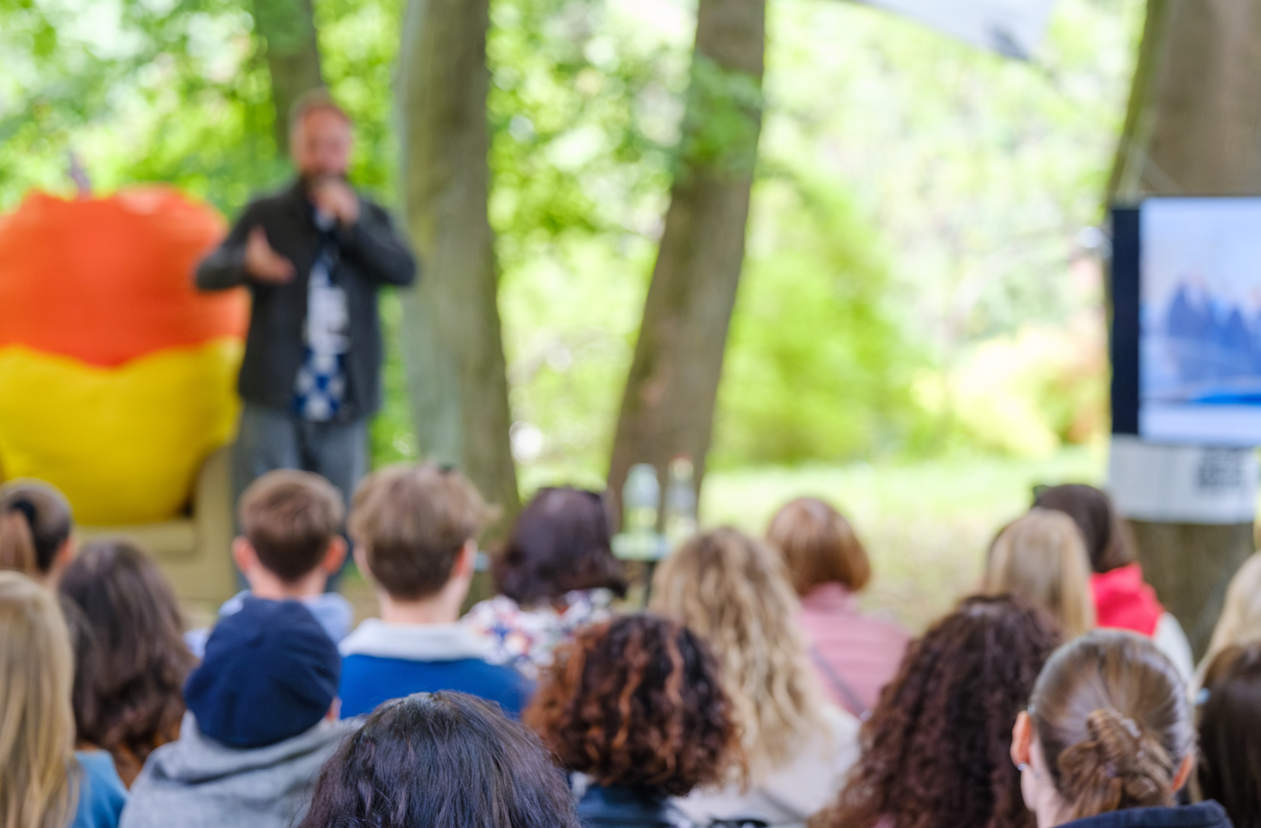
Are you looking to break free from the traditional conference room for your next corporate function? Taking your event into the great outdoors can be a game-changer. An intimate outdoor gathering provides a refreshing backdrop that can spark creativity, foster stronger team bonds and leave a lasting impression on clients and employees alike.
With a thoughtful approach, you can orchestrate a special event that feels less like a meeting and more like a retreat. The difference between an outdoor event people remember fondly and one they remember for the wrong reasons is almost always planning: the venue, the weather plan, the comfort details and the logistics. This guide walks through each of them in the order you will actually need to decide them.
Select the Perfect Open-Air Venue
The success of your outdoor event begins with the right location. For a smaller, more intimate affair, seek out venues that offer a degree of privacy and a unique charm. Think of a botanical garden, a chic rooftop lounge, or a private estate with sprawling lawns. The venue sets the tone before anyone arrives, so choose one that matches the feeling you want the event to have.
When choosing, consider the atmosphere you wish to cultivate. A venue with a scenic view can inspire big-picture thinking, while a cosy, fire-lit patio can encourage warm conversation. A product launch wants a backdrop that photographs well; a team retreat wants somewhere people can relax and talk; a client dinner wants somewhere that feels considered rather than improvised. Match the venue to the purpose, not just to the guest list.
It is essential to consider the practical aspects as well. Ensure the location is easily accessible for all your guests, with ample parking and pathways that are simple to navigate. Visit the venue in person, at the same time of day as your event, and walk the route a guest will walk — from the car park to the drinks area to the seating to the restrooms.
Always check for local regulations, such as noise ordinances, to guarantee a smooth and disruption-free event. Outdoor venues often have curfews, amplified sound limits and restrictions on structures such as tents and stages. Confirm what is allowed before you book, and confirm who is responsible for any permits — you or the venue. A noise complaint at 9pm is a needless way to end an otherwise good evening.
Craft a Comfortable and Inviting Atmosphere
Your guests’ comfort is key to their enjoyment. Outdoor settings require planning for the unexpected, so a solid weather contingency plan is non-negotiable. Renting a stylish tent or having an indoor space on standby provides peace of mind. The contingency plan should be decided in advance, with a clear trigger: who decides to move indoors, at what time, and who tells the vendors. A tent that takes two hours to erect is not a contingency plan if the rain starts at 6pm.
On warm, sunny days, you must provide relief from the heat. Ample shade from large umbrellas, sail shades or natural tree canopies is crucial — and shade needs to cover the seating, not just the bar. Water should be visible and freely available all day; guests should never have to ask for it. In cooler weather, the equivalent is heating: patio heaters or a fire pit, and a sheltered area out of the wind.
As daylight fades, lighting can completely transform your venue. Install string lights, uplighting on foliage and candles for a magical and sophisticated ambience. Lighting also does a practical job: it marks pathways, steps and changes in level that become hazards after dark. Walk the site after sunset during your visit and note every dark corner a guest will cross.
Go the extra mile by providing thoughtful amenities like portable fans or heaters, a sunscreen and bug spray station, and easily accessible, well-maintained restroom facilities. These thoughtful considerations ensure your guests feel genuinely cared for, allowing them to relax and fully immerse themselves in the event. Restrooms deserve particular attention outdoors: check the number, the distance from the main area, and whether they are adequate for your guest count. If the venue’s facilities are limited, hiring luxury portable restrooms is money well spent.
Seating is the other comfort decision that is easy to get wrong: guests need a mix of seating for conversation, standing room for mingling, and somewhere to put a glass down.
Install a Portable Stage for a Professional Focal Point
Even in a relaxed outdoor setting, your event may have key moments that require everyone’s attention, such as a CEO’s address, an awards presentation or a special announcement. Creating a clear focal point is essential to direct your guests’ focus and lend an air of professionalism to the proceedings. This is where installing a portable stage becomes invaluable.
A small stage elevates the speakers, ensuring they are seen and heard by everyone, which is crucial for engagement. Outdoors, sightlines are harder than indoors — there are no walls to bounce sound off, and a speaker standing on flat ground disappears behind the first row. A stage solves that, and it also defines the presentation area, keeping the event flow organised and preventing guests from accidentally wandering into the speaker’s space. (The original’s sentence on this point is garbled — “a stage can the presentation area” — and the meaning above is the intended one, carried over in plain language.)
A professionally set up stage, even a simple one, signals that this is a significant event, commanding respect and attention from your audience while seamlessly blending into the beautiful outdoor decor. The stage does not need to be large — for an intimate event, a low platform is often better than a tall one, since it keeps the speaker close to the audience rather than towering over them.
Sound is the companion decision. Outdoors, a speaker without amplification is inaudible beyond a few metres, and wind carries sound away unpredictably. Budget for a proper PA system with a microphone, and test it at the venue with the stage in place. A speech nobody can hear is worse than no speech at all.
Hire Caterers for the Best Food Experience
The culinary experience is a central part of any memorable event. For an outdoor function, the menu and its execution require special consideration. This is why it is highly recommended to hire professionals who specialise in off-site events.
Engaging corporate event caterers, like Joel Catering, ensures that your food is not only delicious but also perfectly suited for an open-air environment. Professional caterers can help you design a menu that is easy for guests to handle, such as elegant food stations, passed appetizers or a gourmet barbecue. Food that needs a knife and fork and a table is the wrong choice for an event where guests are standing and talking; food that can be eaten with one hand, holding a drink in the other, is the right one.
Caterers are also equipped to handle the unique challenges of the outdoors, from maintaining food at safe temperatures to managing service in a non-traditional space. Food safety is not a detail to leave to chance outdoors: hot food must stay hot, cold food must stay cold, and both need protection from sun and insects. A caterer who works outdoors regularly will have the equipment for this — chafing dishes, refrigeration, covers and shade — and will plan the service around the temperature, not in spite of it.
This frees you from worrying about logistics so you can focus on your guests. It also means dietary requirements get handled properly: ask guests in advance, brief the caterer in writing, and label dishes clearly on the day. A guest who cannot eat anything on offer will remember that longer than they remember the speeches.
Drinks deserve the same thought as food. A signature drink or a short, well-chosen list beats a long bar that slows service. Keep water visible, offer a good non-alcoholic option, and make sure the bar is placed where it does not create a bottleneck.
Finalize the Essential Logistical Details
A flawless event is the result of meticulous planning behind the scenes. Long before the event date, you should develop a detailed checklist that outlines every task, from booking vendors to creating a timeline for the day. The timeline is the document everyone works from: when vendors arrive, when the stage is built, when food is served, when speeches happen, when the event ends. Share it with every vendor and the venue, and keep one printed copy with the on-site coordinator.
Secure any necessary permits required for your chosen location to avoid any last-minute legal issues. Depending on the venue and the locality, you may need permits for amplified sound, temporary structures, food service or alcohol. Confirm each one in writing, and confirm who holds it.
It is also important to communicate all relevant details to your guests ahead of time. Information about the dress code, especially suggestions for appropriate footwear, and directions to the venue are always appreciated. Outdoors, footwear advice is genuinely useful — heels sink into lawns, and guests will thank you for the warning. Include the weather plan in the guest information too, so nobody arrives in the wrong clothes because they assumed the event had moved indoors.
Designating an on-site coordinator to manage the event as it unfolds will ensure that any potential issues are handled swiftly and discreetly, allowing you to remain a gracious and present host. The coordinator’s job is to be the person vendors call and the person who solves problems, so the host does not have to. If you are the host, you cannot also be the coordinator — the two roles conflict the moment something goes wrong.
A Timeline That Works
A practical order for planning an intimate outdoor corporate event is: book the venue first, since the best outdoor dates go early; confirm the weather contingency and permits at the same time; then book catering and the stage, since both need to know the site; then send guest information with dress code and directions; and finally, hold a short run-through with the coordinator and key vendors in the last week. A site visit with the caterer and stage supplier together is worth the effort — they will spot problems with access, power and layout that no one spots alone.
On the day itself, arrive early, walk the guest route once more, check the lighting as dusk approaches, and then hand the event to the coordinator. The host’s job on the day is to be present with guests, not to manage vendors.
Frequently Asked Questions
How far in advance should I book an outdoor corporate venue?
As early as you can — the best outdoor venues and dates book months ahead, especially in spring and summer. Book the venue first, then catering and staging.
What is the most important contingency plan for an outdoor event?
Weather. Have a tent or an indoor space arranged in advance, with a clear decision point and a named person who makes the call.
Do I need a stage for a small outdoor event?
If anyone will address the whole group — a CEO’s address, awards or an announcement — yes. A low platform ensures the speaker is seen and heard, and it defines the presentation area.
What food works best outdoors?
Food that is easy to handle standing up: elegant food stations, passed appetizers or a gourmet barbecue. Avoid anything that needs a table, a knife and fork, or delicate plating.
What should I tell guests in advance?
The dress code — especially footwear advice for lawns and uneven ground — directions to the venue, and the weather plan, so they arrive dressed for the actual conditions.
Do I need permits for an outdoor corporate event?
Possibly, for amplified sound, temporary structures, food service or alcohol, depending on the venue and locality. Confirm what is needed and who holds each permit before the day.
Should I hire an on-site coordinator?
Yes. The coordinator manages vendors and solves problems as they arise, so the host can stay present with guests instead of managing logistics.
The Bottom Line
Moving your corporate event outdoors is a fantastic way to energise your team and impress your clients. By choosing the right venue, ensuring guest comfort, creating a professional focal point, and partnering with expert vendors, you can deliver an intimate and impactful experience. The effort you put into planning will pay off in the form of stronger relationships and positive memories that will far outlast the typical boardroom meeting.
The formula is simple: a venue that matches the purpose, a weather plan decided in advance, comfort details that show guests they are cared for, a stage and sound system that make the key moments land, food designed for the outdoors, and a coordinator who owns the logistics on the day. Get those six things right, and the outdoors does the rest.