
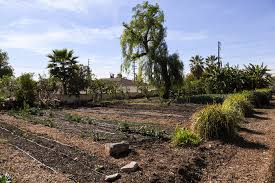
Donating vacant land to End Poverty Now, Inc. provides a powerful opportunity to contribute to ending poverty on a global scale. This charitable action not only helps fund essential programs but also offers several benefits to the donor. In this article, we’ll explore the reasons to donate vacant land, the process involved, and how this donation directly impacts communities in need.
Key Takeaways
- Donating vacant land to End Poverty Now, Inc. helps fund global initiatives aimed at alleviating poverty.
- Land donations provide significant tax benefits, including deductions based on the property’s fair market value.
- End Poverty Now uses donated land for community projects, selling it, or transforming it for affordable housing.
- The donation process is simple and cost-free, with End Poverty Now covering all closing, appraisal, and legal fees.
- Donating land helps empower vulnerable communities through education, healthcare, and economic development programs.
Why Donate Vacant Land?
1. Unlock Potential Value from Unused Land
Many landowners possess properties that remain idle, unused for years, while still requiring maintenance, taxes, and other costs. Whether it’s residential land, agricultural land, or undeveloped raw land, these properties may not yield any direct benefit to the owner. However, donating this land to a nonprofit like End Poverty Now allows the property to generate meaningful impact. Charities can use the land for various purposes or sell it to raise funds for critical poverty alleviation programs.
Donating land provides a way to eliminate the ongoing burden of land ownership, such as property taxes, upkeep costs, and potential legal obligations, while supporting a larger cause. By donating, you ensure that the land contributes to transformative projects.
2. Tax Benefits
A major incentive to donate vacant land is the associated tax benefits. When you donate property to a 501(c)(3) nonprofit like End Poverty Now, you may be eligible for a tax deduction based on the fair market value of the land. This deduction can significantly reduce your taxable income, making it a financially advantageous decision. Additionally, End Poverty Now covers all closing and appraisal costs, ensuring a smooth, cost-free process.
3. Contributing to Poverty Reduction
Land donations have a far-reaching impact on nonprofit initiatives aimed at ending poverty. Whether the land is sold to raise funds or developed into facilities such as affordable housing, community centers, or urban farms, the value of the land directly contributes to programs that support vulnerable communities.
How Vacant Land Donations Are Used
End Poverty Now, Inc. strategically manages land donations to maximize their benefit. They might:
- Sell the land and use the proceeds to fund education, healthcare, and economic development programs.
- Develop the land for community projects, such as low-cost housing for families in need or agricultural initiatives to promote food security.
- Preserve the land for environmental protection if sustainability aligns with the organization’s goals.
Each donation plays a role in improving the lives of those living in poverty by empowering local communities through access to resources they might not otherwise have.
The Process of Donating Vacant Land
The process to donate vacant land is straightforward, designed to make it easy for donors to contribute:
- Property Assessment: First, the landowner evaluates the land’s market value and condition. This assessment is crucial for tax deduction purposes and helps determine the best use for the land.
- Contact the Charity: Reach out to End Poverty Now, Inc. to express interest in donating. They will guide you through their requirements and ensure that the donation aligns with both your interests and the charity’s goals.
- Appraisal and Documentation: An independent appraisal of the land is typically required to determine its fair market value. Additionally, legal documents such as the title deed must be prepared.
- Legal and Financial Considerations: Donors should consult with a real estate attorney to navigate the legal aspects of transferring ownership. This step ensures compliance with state and federal laws and verifies that the land is free of environmental or title issues.
- Completion of the Donation: Once the paperwork is in order, the land is officially transferred to the nonprofit. The donor receives a receipt for the donation, which can be used for tax purposes.
Impact of Your Donation on Poverty
When you donate vacant land, you’re not just handing over property—you’re making a significant difference in the fight against global poverty. The funds raised or resources developed from the donation can support a wide range of poverty alleviation efforts:
- Education Initiatives: The proceeds from selling donated land can build schools or fund scholarship programs, ensuring access to quality education for children in impoverished regions.
- Healthcare Services: Donations can fund the construction of medical facilities, purchase of essential medical supplies, and establishment of healthcare programs in underserved communities.
- Economic Development: Through investments in vocational training and microfinance initiatives, your donation empowers individuals to build sustainable livelihoods and escape poverty.
- Sustainable Agriculture: Donated land can be transformed into community gardens or training farms that promote food security and economic self-sufficiency.
Legal and Financial Benefits
When you donate land to charity, it’s important to understand the legal and tax implications. The IRS provides significant tax deductions for real estate donations, but specific steps must be followed to qualify. This includes obtaining a qualified appraisal, filing appropriate tax forms, and adhering to IRS regulations. Additionally, any potential liabilities, such as environmental issues on the land, should be assessed beforehand.
By working with experienced real estate attorneys and accountants, donors can ensure a smooth and beneficial donation process that maximizes their tax benefits while supporting a noble cause.
Tables: Donation Process Overview
| Step | Description |
| Assess Property | Determine land’s value, condition, and best use |
| Contact End Poverty Now | Initiate the donation process |
| Appraisal | Obtain a fair market value assessment |
| Legal Consultation | Consult with real estate attorney for compliance |
| Finalize Donation | Transfer title, complete paperwork, receive tax documentation |
Frequently Asked Questions (FAQs)
Donating vacant land to a registered charity like End Poverty Now can offer substantial tax benefits. You may be eligible for a tax deduction based on the fair market value of the land. Additionally, you eliminate ongoing costs such as property taxes, insurance, and maintenance expenses.
End Poverty Now accepts all types of land, including residential, agricultural, and undeveloped raw land. Even properties with title issues or deferred maintenance are welcome, as the charity manages these issues on behalf of the donor to maximize the value for their programs.
The land donation process typically takes about two weeks from start to finish. However, if the donor has time constraints, the process can be expedited to as little as 24 hours, ensuring a quick and hassle-free donation experience while accommodating urgent needs.
After donation, End Poverty Now may sell the land to fund its global initiatives, or it could develop the land into community housing, educational facilities, or agricultural projects. Each piece of land is assessed to determine its highest potential for supporting poverty alleviation programs.
Yes, potential environmental or title issues should be considered before donating land. It’s advised to consult a real estate attorney to ensure the land is free of liabilities. End Poverty Now is flexible with properties requiring cleanup or repairs, and they manage these issues to protect donors from future complications.
Conclusion
Donating vacant land to End Poverty Now, Inc. is a powerful way to contribute to a cause that aims to eradicate global poverty. Not only does this donation relieve you of ongoing costs associated with property ownership, but it also provides you with financial benefits in the form of tax deductions. More importantly, it transforms idle land into resources that empower disadvantaged communities, offering them the opportunity to build a better future.
By contributing vacant land to charity, you are sowing the seeds for lasting change. Whether the land is developed for housing, community projects, or sold to fund vital programs, your donation makes a direct impact on people’s lives. Together, through such charitable acts, we can move closer to ending poverty and creating a world where everyone has the chance to thrive.
Apart from that, if you are interested to know about “Signs that your Housing Market may be Overvalued” then visit our “Real Estate“category.