The cohesive integration of geofabric, drainage, and outdoor lighting systems plays a pivotal role in the contemporary landscape design process. These elements not only work in isolation to address specific aspects of landscaping but also harmonise to create outdoor spaces that are both functional and aesthetically pleasing.
The Role of Geofabric in Landscape Design
Geofabric, an essential component in modern landscaping, is a permeable textile that, when correctly utilised, can significantly enhance soil stability and prevent erosion. Its application extends to various settings including gardens, pathways, and large-scale commercial landscapes.
One of the primary benefits of geofabric is its ability to separate fine soil particles from aggregate materials. This separation mitigates the risk of soil displacement due to water movement or mechanical action, thus maintaining the integrity of the landscape’s structure.
Furthermore, the use of geofabric is environmentally advantageous. Beyond soil conservation, it also supports the filtration of sediments, preventing pollutants from contaminating waterways and preserving the natural ecosystem.
Drainage: Ensuring Longevity and Health in Landscapes
Effective drainage solutions are indispensable in landscape design. They are critical components that alleviate water build-up, which can adversely affect both hardscaping and plant life. Poor drainage can lead to a myriad of issues such as root rot, structural damage to pathways, and the proliferation of pests and diseases.
A comprehensive drainage system encompasses surface and sub-surface strategies. It includes the installation of graded landscapes, and both French drains and catch basins to ensure that excess water is swiftly diverted away from critical areas.
Moreover, the strategic placement of drainage solutions can protect foundations and structures from potential water damage, thus safeguarding the property’s value and functionality.
Outdoor Lighting as a Multifunctional Element
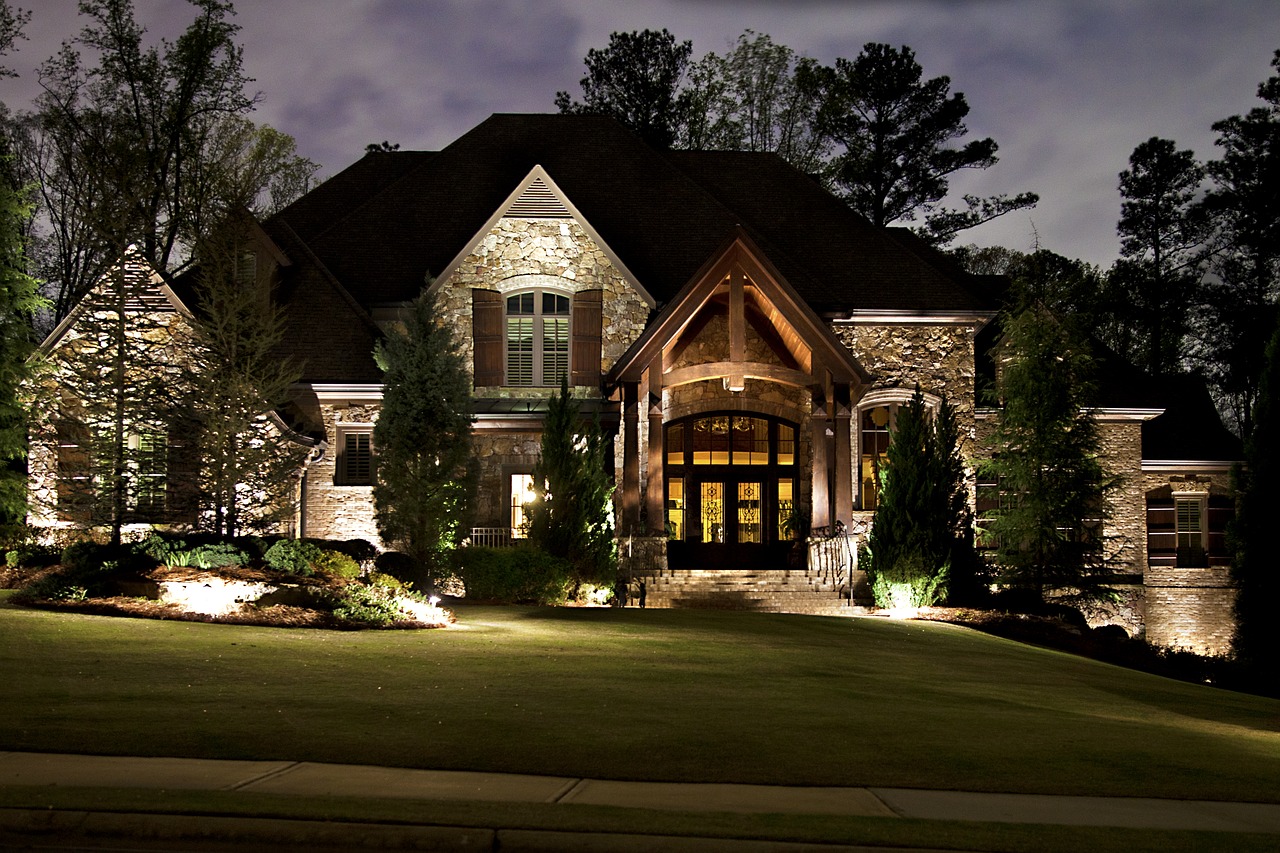
Outdoor lighting transcends its primary task of illumination. While its first role is to enhance visibility and safety after dusk, skilfully integrated lighting also elevates the landscape’s ambience and emphasises key features such as architectural elements, trees, and water features.
Energy-efficient LED lighting and solar-powered lights are paving the way for eco-conscious landscape design. These options not only reduce energy consumption but also provide flexible lighting solutions that can be adapted to myriad settings without the need for extensive wiring or electrical work.
The illumination of walkways and steps is both a functional and aesthetic choice, creating inviting pathways while also ensuring the space is navigable and secure during evening hours.
Integrating Solutions for Comprehensive Landscaping
When combining geofabric, drainage, and outdoor lighting systems within a landscape project, it is paramount to consider interrelation and synergy. Each aspect shores up the others, building a landscape that is durable, environmentally responsible, and visually appealing.
For instance, the correct placement of outdoor lighting can spotlight the architectural aspects of a drainage system, converting a utilitarian feature into an attractive landscape highlight. Conversely, well-implemented geofabric installation can contribute to the longevity of lighting fixtures by preventing soil erosion around bases and wiring.
This holistic approach to landscape design demands a deep understanding of landform, climate, and the intended use of the space. Designers must navigate the complexities and interdependencies to create landscapes resilient against the elements.
Professional Installation and Maintenance
Although innovative landscape solutions bring multiple benefits, their effectiveness hinges on professional installation and regular maintenance. Experts in the field can provide insights into the best materials and methods, ensuring that each component seamlessly integrates into the overall landscape plan.
Maintenance, especially for elements like outdoor lighting, is crucial for sustained functionality. Regular inspections can prevent issues such as blocked drainage systems or malfunctioning lighting fixtures, which can compromise safety and diminish the landscape’s aesthetic.
Quality Materials for Enduring Landscapes
Prioritising quality materials for geofabric, drainage, and outdoor lighting installations will enhance the durability and performance of the landscape. High-quality geofabric, for example, resists wear and tear, maintaining soil separation and filtration activities for extended periods.
Similarly, robust drainage components are vital to withstand constant water flow and changes in ground conditions. Weather-proof and energy-efficient lighting fixtures add the finishing touch, providing reliable illumination while withstanding the outdoor environment.
Conclusion: The Union of Aesthetics and Functionality
To conclude, the conscious integration of geofabric, drainage, and outdoor lighting represents an investment in the long-term health and enjoyment of outdoor spaces. Not only do these elements address practical landscaping concerns, but they also contribute to the atmosphere and user experience.
In the face of changing climates and evolving landscape needs, utilising these innovative solutions supports a resilient, environmentally friendly, and visually engaging outdoor environment. Homeowners and commercial entities alike can reap the benefits of a well-designed landscape that meet aesthetic desires whilst catering to essential landscape ecology and functionality.
To explore further how geofabric, drainage, and outdoor lighting can transform your landscape project, visit the following resources for more information and to view a range of quality products:
- Geofabric
- Drainage
- Outdoor Lighting
Apart from that, if you want to know about Online Resources for Private Real Estate Lending in the USA then please visit our Real Estate Category.