
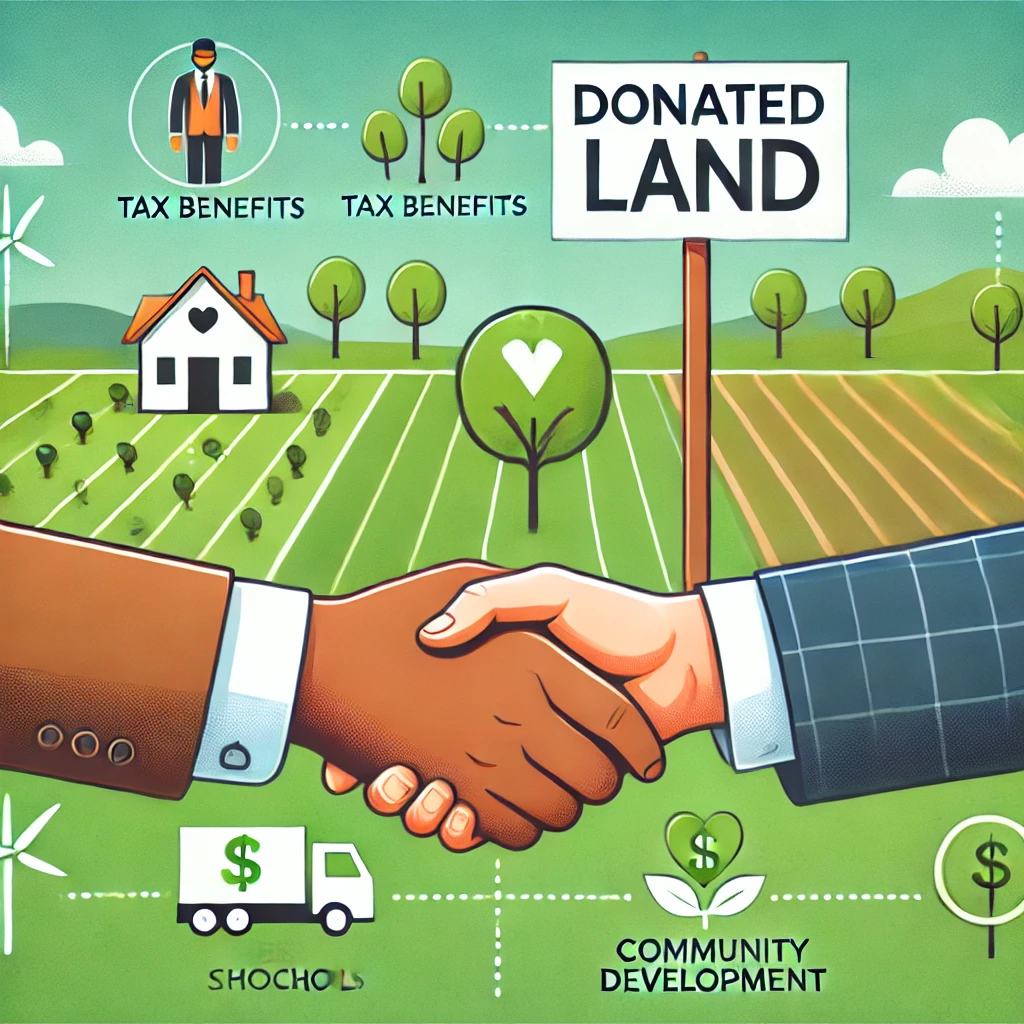
When people think about charitable giving, they often consider monetary donations, volunteering, or providing essential goods. However, one of the most impactful yet overlooked ways to support a cause is by donating vacant land to charity. Nonprofit organizations, such as End Poverty Now, Inc., accept real estate donations to fund initiatives aimed at eradicating global poverty. This guide explores the benefits, process, and impact of donating land, making it easier for property owners to contribute to meaningful changes.
Why Donate Vacant Land to Charity?
Donating real estate is an excellent way to turn an underutilized or unwanted property into an asset for nonprofit. Many property owners struggle with the burden of maintaining vacant land, paying taxes, and dealing with legal responsibilities. By donating the property, owners can eliminate these burdens while also supporting charitable initiatives.
Benefits for Donors
- Tax Deductions – One of the most significant advantages of donating real estate is the potential tax benefits. The IRS allows donors to claim a charitable tax deduction based on the fair market value of the donated property.
- Eliminate Maintenance Costs – Property owners can relieve themselves of ongoing expenses, such as property taxes, insurance, and upkeep.
- Avoid Selling Hassles – Selling land can be a complex and time-consuming process. Donating allows owners to bypass real estate transactions while still putting their property to good use.
- Make a Lasting Impact – By donating vacant land, individuals contribute to poverty alleviation efforts, helping communities in need through sustainable projects and development programs.
How to Donate Vacant Land to Charity
If you own vacant land and are considering making a charitable donation, here is a step-by-step guide to donating real estate to charity:
Step 1: Choose a Reputable Nonprofit Organization
Not all charities accept real estate donations, so it’s essential to select one that aligns with your values and goals. End Poverty Now, Inc. is a well-established nonprofit that utilizes real estate contributions to fund programs that fight global poverty.
Step 2: Evaluate the Property’s Eligibility
Before donating, determine if the property meets the charity’s acceptance criteria. Some nonprofits may have restrictions on properties with liens, environmental issues, or other liabilities. Working with the organization early in the process can clarify any requirements.
Step 3: Obtain a Property Appraisal
To maximize tax benefits, donors must establish the fair market value of the land. The IRS requires a qualified appraisal for any property donation exceeding $5,000. Hiring a certified appraiser ensures compliance with tax regulations.
Step 4: Prepare the Necessary Documentation
Legal documentation is required to transfer ownership of the land to the charity. This includes:
- The deed to the property
- Recent property tax statements
- Title insurance (if available)
- Any environmental reports (if applicable)
The nonprofit may also require additional paperwork to verify ownership and ensure a smooth transition.
Step 5: Transfer Ownership
Once all documents are in order, the property title is legally transferred to the nonprofit. This process typically involves working with a real estate attorney or title company to ensure compliance with state laws.
Step 6: Claim Tax Benefits
After completing the donation, donors can claim a charitable tax deduction on their income tax return. A Form 8283 must be submitted to the IRS for deductions exceeding $5,000. Consulting a tax professional can help maximize benefits and ensure compliance with tax laws.
How Your Land Donation Supports End Poverty Now, Inc.
End Poverty Now, Inc. leverages real estate donations to support initiatives that provide food, shelter, education, and healthcare to impoverished communities worldwide. Here’s how donated land contributes to their mission:
- Building Sustainable Housing – Donated land can be used to develop affordable housing projects for low-income families, providing them with a stable and safe living environment.
- Community Development Projects – Land donations can facilitate the construction of community centers, schools, and medical clinics, offering essential services to underserved populations.
- Agricultural and Food Programs – Vacant land can be transformed into farms or gardens to support food production initiatives, ensuring long-term food security for struggling communities.
- Revenue Generation – Some properties may be sold by the charity, with proceeds directly funding programs designed to alleviate poverty.
Common Questions About Donating Real Estate to Charity
Is donating land to charity a complicated process?
While the process involves legal and financial steps, reputable charities like End Poverty Now, Inc. guide donors through each stage, ensuring smooth and efficient transfer.
Can I donate land with a mortgage or tax line?
Some charities may accept properties with existing financial obligations, but it depends on the organization’s policies. It’s best to discuss these details with the charity before proceeding.
How much can I deduct from my taxes for a land donation?
Tax deductions are based on the fair market value of the donated property. To maximize benefits, donors should obtain an official appraisal and consult a tax professional.
Can I specify how my donated land is used?
In many cases, donors can express their preferences regarding how the land is utilized. However, the final decision often depends on the organization’s needs and mission objectives.
Conclusion
Donating vacant land to charity is a powerful way to contribute to a meaningful cause while also benefiting from tax savings and reduced property ownership responsibilities. Organizations like End Poverty Now, Inc. use these donations to fight global poverty through sustainable projects and essential services. By following a structured process and understanding the benefits, donors can transform their unused land into a force for good, helping to create lasting change in the world.
Apart from that if you want to know about “The Role of a Buyers Agent in Canberra” then please visit our “Real Estate” Category.