Energy costs are climbing, and industrial facilities across the U.S. are feeling the impact. From manufacturing plants to logistics hubs, business owners and facility managers are under pressure to reduce overhead while maintaining productivity.
The good news? Strategic upgrades and smarter systems are helping facilities cut energy expenses without sacrificing performance. Here are five proven ways industrial operations are lowering energy costs this year.
Upgrading to High-Efficiency Commercial Heat Pumps
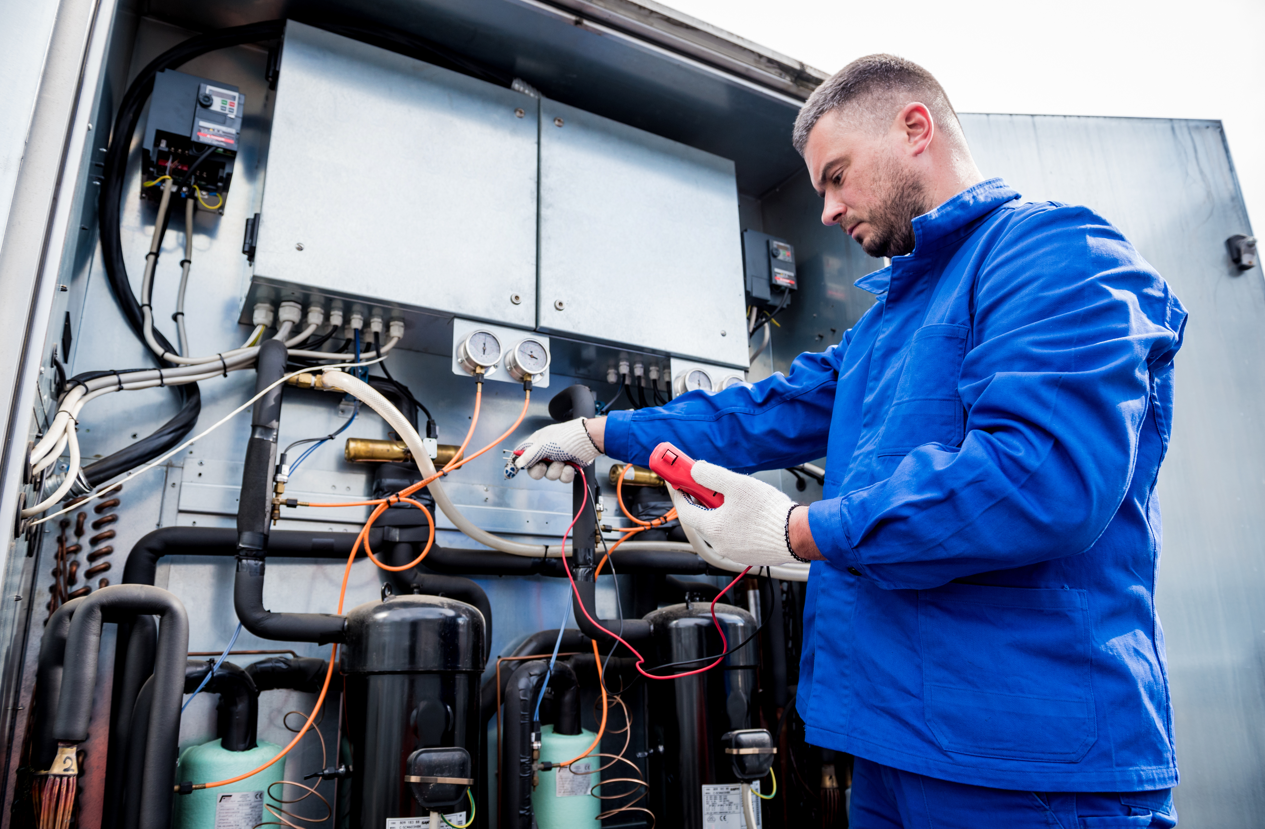
Heating and cooling systems are among the largest energy drains in industrial buildings. That’s why more facilities are replacing outdated HVAC units with high-efficiency commercial heat pumps. These systems use electricity to transfer heat rather than generate it, making them far more energy-efficient than traditional boilers or furnaces. Commercial heat pumps, like those manufactured by Dalrada Climate Tech, are engineered for large-scale operations and deliver consistent performance even in extreme weather conditions.
They also integrate well with smart building systems, allowing for automated temperature control and remote monitoring. Facilities that make the switch often see dramatic reductions in both energy usage and maintenance costs. It’s a smart investment that pays off quickly and supports long-term sustainability goals. Over time, these heat pumps contribute to a more stable and predictable energy budget, making financial planning easier for industrial operations.
Installing Smart Energy Monitoring Systems
Visibility is key to controlling energy costs. Smart energy monitoring systems give facility managers real-time insights into how energy is being used across the building. These systems track consumption from lighting, machinery, HVAC, and other equipment, helping teams identify inefficiencies and waste. With detailed analytics, managers can adjust schedules, optimize equipment use, and plan upgrades more effectively.
Some platforms even offer predictive maintenance alerts, reducing downtime and preventing costly repairs. The ability to monitor energy use by zone or department also helps pinpoint problem areas and prioritize improvements. For facilities with complex operations, this level of control is essential. It turns energy management from a guessing game into a data-driven strategy. This kind of transparency also makes it easier to justify capital improvements to stakeholders by showing clear ROI. Over time, facilities that adopt smart monitoring tend to operate more smoothly, with fewer surprises and more predictable energy costs.
Using Vertical Water Tanks for Thermal Storage
Water tanks aren’t just for emergency reserves—they’re also powerful tools for energy management. Industrial facilities are increasingly using large tanks to store heated or chilled water for later use, a strategy known as thermal energy storage. This approach helps balance energy loads and reduce peak demand charges, which can be a major cost driver.
There are 1000-gallon vertical water tanks from companies like USA Tank that are especially popular for this purpose. Their vertical design saves floor space while providing ample capacity for thermal storage. Facilities can heat or cool water during off-peak hours when energy rates are lower, then use that stored energy during peak times. It’s a simple, low-maintenance solution that supports both cost savings and environmental goals. Plus, it adds resilience to the facility’s energy infrastructure.
Retrofitting Lighting Systems With LED Technology
Lighting may seem like a small part of the energy equation, but in large facilities, it adds up fast. Retrofitting outdated lighting systems with LED technology is one of the fastest and most cost-effective ways to reduce energy use. LEDs consume far less electricity than traditional bulbs and last significantly longer, which means fewer replacements and lower maintenance costs.
Many industrial buildings are replacing high-intensity discharge (HID) fixtures with LED alternatives that offer better brightness, color rendering, and coverage. Some systems also include motion sensors, timers, and daylight harvesting features that automatically adjust lighting based on occupancy and natural light. These upgrades not only reduce energy bills but also improve working conditions for employees. Better lighting can boost safety, productivity, and morale—making it a win-win for facility managers.
Implementing Automated Equipment Scheduling
Running equipment only when it’s needed sounds obvious, but it’s often overlooked in busy industrial environments. Automated scheduling systems help facilities control when machines, lighting, and HVAC systems operate. By aligning equipment use with production schedules and occupancy patterns, businesses can avoid unnecessary energy consumption. These systems can be programmed to shut down non-essential equipment during breaks, weekends, or low-demand periods.
Some even integrate with energy monitoring platforms for smarter coordination and real-time adjustments. For example, a facility might schedule its air compressors to run only during active production hours, or stagger equipment startups to avoid peak demand spikes. The result is a leaner, more responsive operation that uses energy only when it adds value. Automation also reduces human error and ensures consistency, which is especially valuable in multi-shift or high-volume environments.
Conclusion
Reducing energy costs doesn’t require a massive overhaul—it starts with smart decisions and targeted upgrades. These strategies not only lower utility bills but also improve operational efficiency, reduce environmental impact, and support long-term growth. For business owners and facility managers, the key is to take action now. By investing in energy-smart solutions, you’re building a more resilient, cost-effective future—one upgrade at a time.
Want to know about What Are Scrap Metals and How Are They Processed Check out our Industry category.