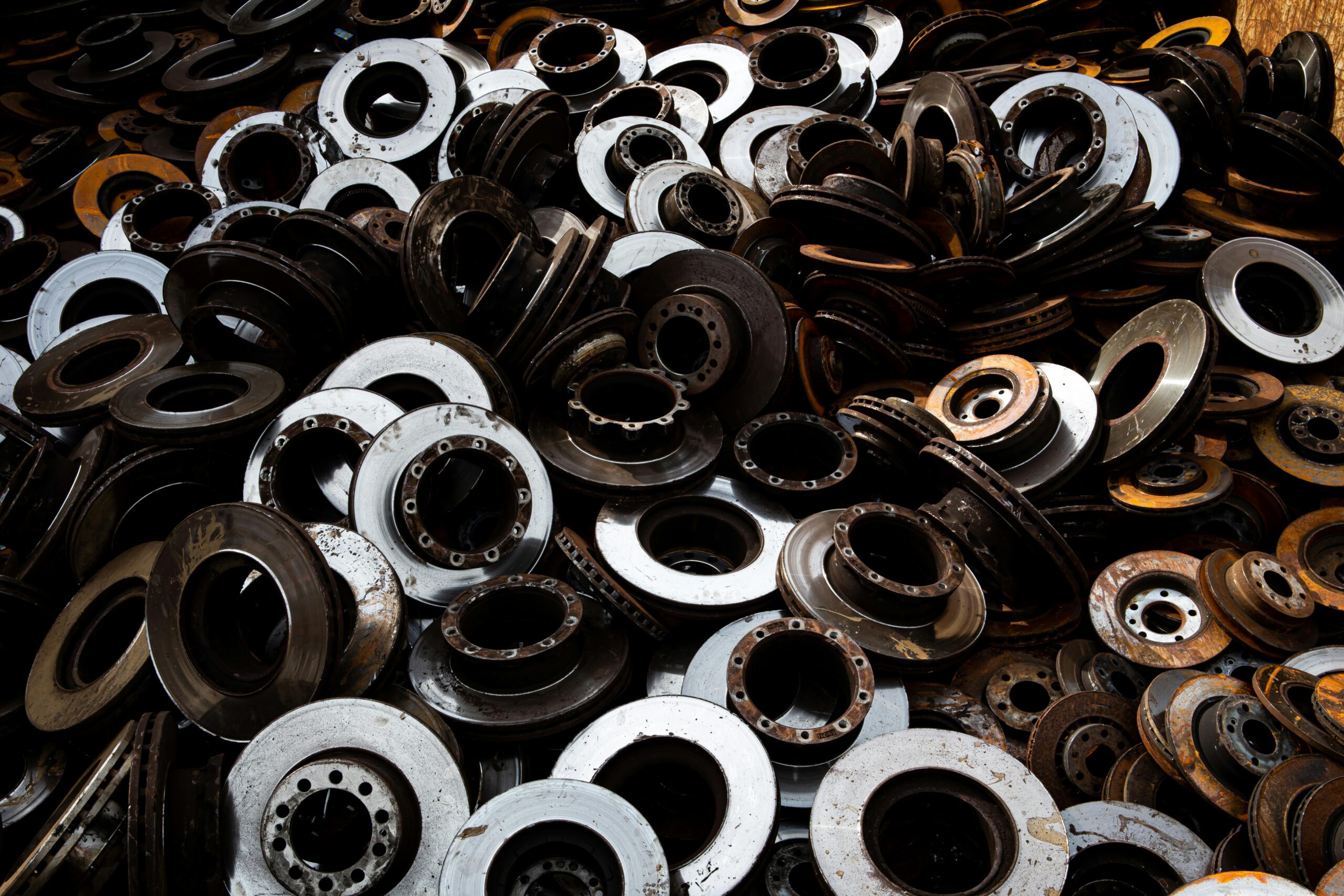
Scrap metals are waste metallic materials originating from industrial processes, demolitions, manufacturing production, or the recovery of discarded objects. They are classified as recoverable waste because they can be recycled and reused to produce new metal products, contributing to the circular economy and environmental sustainability.
Types of Scrap Metals
Scrap metals (rottami metallici) are divided into two major categories: ferrous scraps, which contain iron and are magnetic, such as steel and cast iron; and non-ferrous scraps, which do not contain iron and are non-magnetic, like copper, aluminum, brass, and lead.
- Steel scraps are found in pipes, sheets, beams, and decommissioned machinery.
- Cast iron scraps are present in engine components, pipelines, or plates.
- Copper scraps typically come from electrical cables, pipes, and coils.
- Aluminum scraps are usually found in window frames, cans, and industrial waste.
- Brass scraps are found in taps and plumbing components.
- Lead scraps are typical of exhausted batteries and balancing weights.
Scrap metals can derive from manufacturing and steel industries (e.g., in the production of metal components and processing waste), from the construction and industrial demolition sector (such as metal structures, beams, fixtures), and from the collection of urban waste and WEEE (Waste Electrical and Electronic Equipment like appliances and electronic devices).
Why Are They Important?
- For Recycling and Resource Saving: Recycling scrap metals reduces the consumption of raw materials and pollution from mining activities.
- For Their Economic Value: Recycled metals have an active market and are purchased by foundries and industries for reuse.
- For Environmental Sustainability: Reusing scrap metals lowers CO₂ emissions and the environmental impact of producing virgin metals.
How Are They Processed?
The treatment of scrap metals is a fundamental process for their recovery and recycling. It involves several stages that ensure the separation, cleaning, and preparation of the metal for reuse in steel and metallurgical industries.
1. Collection and Storage: Scrap metals are collected from various sectors, such as industries, construction sites, car dismantlers, and waste management companies. Once collected, they are stored in equipped areas and divided by type (ferrous and non-ferrous) to facilitate subsequent stages.
2. Selection and Separation: Here, scraps are separated based on the type of metal. Using magnets and eddy current separators, ferrous metals (like steel and cast iron) are selected from non-ferrous metals (copper, aluminum, brass). Manual and mechanized sorting removes foreign materials like plastic, rubber, or other contaminants.
3. Cleaning and Decontamination: Scraps may contain residues of oils, paints, or other hazardous substances that must be eliminated through various processes:
- Chemical or Thermal Washing to remove paint and oils.
- Pickling to eliminate surface impurities.
- Radiometric Treatment to detect and eliminate any radioactive contamination, mandatory under current regulations (Legislative Decree 101/2020).
4. Reduction of Volume: To facilitate transport and reuse, scraps are reduced in volume through crushing with specialized machinery and pressing into bales or packs to optimize storage and melting.
5. Melting and Reuse: Once treated, the scraps are sent to foundries to be melted and transformed into new metal products. This process reduces the need to extract new raw materials, contributing to environmental and economic sustainability.
Regulations and Responsible Disposal
Companies that handle scrap metals must comply with specific environmental and safety regulations, including:
- Legislative Decree 152/2006 (Environmental Code) for waste management.
– Legislative Decree 101/2020 for radiometric surveillance.
– EU End of Waste Regulations determines when metal waste can be considered secondary raw material.
Thanks to these treatments, scrap metals can be recovered and reused in new production cycles, reducing waste and environmental impacts.