Outdoor living is an integral aspect of Australian culture, and residents are constantly looking for ways to enhance their experiences of outdoor entertainment and relaxation. This is especially true in sunny Brisbane, where the beautiful climate invites homeowners to make the most of their exterior space. One of the most picturesque and practical home improvements a homeowner can make is the addition of a patio. Let’s explore the transformative impact of patios in Brisbane on home aesthetics, lifestyles, and property value.
A patio is one of those rare home improvements that does several jobs at once. It adds usable living space without extending the house. It creates a place for the things Brisbane life is built around — barbecues, family lunches, long evenings outside. And it changes how the home looks and feels from the street and the backyard alike. But it is also a structure exposed to sun, rain and storms, and a poorly planned patio can be a costly disappointment. This guide covers what a patio can do, how to design one that suits your home and your life, and what to check before you build.
Define Your Outdoor Ambiance with a Patio
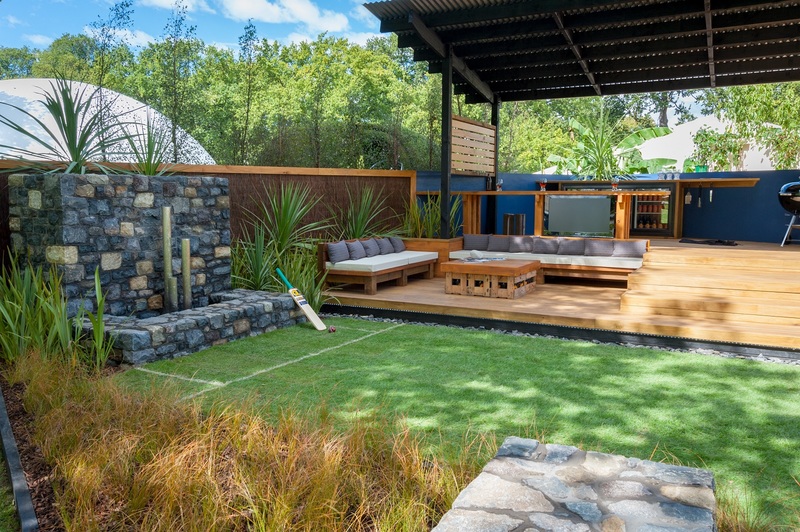
The addition of a patio can significantly alter the ambiance of a home’s outdoor space. Patios can be customised to reflect the personality and taste of the homeowner. Whether one seeks a modern minimalist look or a cozy traditional vibe, the design and materials chosen for patios can cater to these needs, creating a seamless flow from indoors to outdoors.
That flow is the design goal that matters most. A patio that feels like a separate structure bolted onto the house will always look like an afterthought, however much it cost. A patio that extends the home’s lines, matches its materials or complements its colours, feels like part of the house — and gets used like part of the house. Think about the sightlines from inside: what do you see through the back doors? Think about the floor level: a patio at the same level as the interior floor blurs the boundary between inside and out, while a step down creates a distinct outdoor room. Think about the roofline: does the patio roof sit comfortably against the house, or does it fight with it?
Style follows the house. A modern home suits clean lines, flat or skillion roofs, steel and glass. A Queenslander or character home suits timber, traditional detailing and a roof pitch that echoes the house. A minimalist look needs restraint — fewer materials, fewer colours, and nothing decorative that does not earn its place. A traditional look can carry more warmth: timber decking, soft lighting, plants that soften the edges. Either way, the patio should look as though it belongs to the house it serves.
A Hub for Entertainment
Traditionally, patios in Brisbane have served as a hub for entertainment and social gatherings. Well-designed patios create an inviting atmosphere for guests and serve as an outdoor extension of the living room. Homeowners can host BBQs, family lunches, and evening soirees, all within the comfortable confines of their tastefully crafted outdoor space.
Entertaining shapes the practical decisions. Size for everyday use and plan for the occasional crowd — movable furniture, a barbecue that can be rolled aside, space that can flex — and mix dining seats with relaxed lounge seating so people can move between eating and talking. The kitchen connection matters too: a patio close to the kitchen is used far more than one at the far end of the yard, and even a simple outdoor kitchen with a bench, a sink and storage changes how the space is used.
Expanding Functional Living Space
Beyond merely serving as an entertainment area, patios enhance the functional living space of a property. This outdoor area can become a sanctuary for relaxation, an open-air dining room, or a safe play area for children. In the Brisbane context, where the climate facilitates year-round outdoor enjoyment, this additional space becomes even more valuable.
The “year-round” claim deserves a note of honesty. Brisbane’s climate is generous, but summers bring heat, humidity and storms, and a patio with no shade or airflow can be unusable on a hot afternoon. Year-round use is conditional on shade, ventilation and rain protection. The functional value is real, though: a covered patio is a second living room for much of the year, and that flexibility is what makes it worth more than its floor area suggests.
Enjoy Nature with Comfort
A well-built patio allows homeowners to enjoy nature without the discomfort of inclement weather. A sheltered patio space provides protection from the harsh Brisbane sun and unexpected rain showers, making it possible to enjoy the outdoors in comfort at any time of the day.
Protection is a design decision, not an accident. Solid roofing gives full shelter but can darken the rooms behind it; insulated roofing reduces heat transfer; translucent panels or louvres let you adjust light and ventilation. Orientation matters too: a west-facing patio cops the afternoon sun and needs screening or planting, while a north-facing one catches the winter sun and needs summer shade. The goal is a space comfortable at the times you actually want to use it.
Blending Indoor and Outdoor Aesthetics
Choosing the right materials and design for patios in Brisbane also plays a critical role in blending the indoor and outdoor aesthetics. By selecting complementary colors, textures, and materials, the patio can become a natural extension of a home’s interior design. This creates a cohesive look that enhances the overall visual appeal of the property.
The simplest way to achieve this is to carry one or two elements from inside to outside: the same flooring tone, a matching timber, a colour repeated in the furniture or the roof. Materials also have to survive Brisbane conditions: timber looks warm but needs oiling; concrete and pavers are hard-wearing and low-maintenance; tiles are easy to clean but can be slippery when wet; steel and aluminium framing is durable, while timber framing needs care. Choose the material for the conditions it will face, not just for the photograph.
Increasing Property Value
One cannot overlook the impact of a well-constructed patio on property value. Prospective buyers are often willing to pay a premium for homes with inviting outdoor spaces. In a competitive real estate market like Brisbane’s, a stunning patio might just be the feature that clinches the deal.
That is a fair general observation, but the original gives no figure for the premium, and this rewrite invents none. A well-built patio that fits the house will help a sale; a poorly built or oversized one can hurt it. The return is best thought of as the enjoyment you get while you live there plus the appeal it adds when you sell — not as a guaranteed percentage.
Customising to Suit Your Lifestyle
The flexibility in designing patios means that homeowners can tailor this outdoor space to suit their lifestyle preferences. Whether it’s incorporating a fire pit for cooler evenings, a small garden for urban farming, or a permanent outdoor kitchen, a patio can be much more than just a sitting area.
Customisation works best when it follows actual habits rather than aspirations: a fire pit is wonderful if you sit outside on cool evenings and an expensive ornament if you do not; an outdoor kitchen is transformative if you cook outside weekly and a maintenance burden if you use it twice a year. The best patios are designed around the life that is actually lived in them.
Eco-Friendly and Sustainable Options
In today’s environmentally-conscious world, many homeowners in Brisbane are looking for sustainable options for their patio constructions. From using reclaimed wood to installing solar panels for outdoor lighting, there are numerous ways to make a patio eco-friendly without compromising on aesthetics or functionality. Reclaimed timber looks good and keeps material out of landfill; solar lighting charges by day and runs by night with no wiring. Beyond those, the sustainable choices are mostly about durability — materials that last longer — and a roof that shades the house and reduces cooling loads in summer.
Maintenance and Durability
When discussing patios and their construction in Brisbane, maintenance and durability are crucial considerations. Due to the constant exposure to the elements, it’s important to choose materials that not only look good but also stand the test of time with minimal maintenance.
Brisbane’s sun is the main enemy: UV degrades timber finishes, fades fabrics and chalks paint, while rain and humidity bring mould and corrosion. Timber decking needs regular oiling; composite decking needs far less but costs more upfront; powder-coated steel and aluminium need occasional cleaning. Drainage matters as much as the materials: a patio that ponds water after rain will stain, slip and deteriorate, however good the surface is.
Enhancing Nighttime Appeal
A well-designed patio isn’t just for daytime use. With the right lighting, a patio can transform into an enchanting nighttime space. Layer the light — general light for dining, softer feature lighting, low-level lights for steps and edges — and add a fire pit or heater for cooler evenings, so the patio is used after sunset as well as during the day.
The Health Benefits of Outdoor Spaces
It’s also worth noting the health benefits of spending time outdoors, which a home patio effortlessly facilitates. Increased exposure to natural light and fresh air can improve mood, reduce stress, and promote a healthy lifestyle. These are general benefits of spending time outdoors, not proven effects of building a patio — but a comfortable outdoor space makes those habits far easier, and that is a genuine part of its value.
Making the Most of Brisbane’s Weather
For Brisbane residents, a patio harnesses the potential of the local climate. With warm summers and mild winters, a patio can be utilised almost year-round — but only if the design accounts for the actual weather: shade and airflow for summer, shelter for storms, and a little warmth for the coolest winter evenings. A patio that ignores the summer sun will be abandoned for three months a year.
Professional Design and Construction
While some might be tempted to undertake the construction of patios as a DIY project, there is undoubted value in enlisting professional design and construction services. Experts in the field can provide invaluable advice on positioning, materials, and legal requirements, ensuring that the patio is not only beautiful but also compliant with local building codes.
The legal requirements are the part most worth taking seriously. Depending on size, height, location and whether the patio is attached to the house, a patio may need council approval, and building codes govern footings, structural connections, roofing and drainage. Before engaging anyone, confirm the approvals needed with Brisbane City Council, get an itemised quote, and check the builder’s licence and insurance.
Frequently Asked Questions
Do I need council approval for a patio in Brisbane?
It depends on the size, height, location and whether it is attached to the house. Confirm the requirements with Brisbane City Council before building — a professional builder can advise, but the approval is your responsibility.
What is the best patio roofing for Brisbane?
It depends on orientation and how much light the rooms behind it need. Solid insulated roofing gives full shelter and reduces heat; translucent panels or louvres keep the light and let you adjust ventilation. Discuss the trade-off with your builder.
How do I keep a patio cool in a Brisbane summer?
Shade, airflow and surface choice: a well-oriented roof, screening or planting against the western sun, materials that do not store heat, and a design that catches the breeze rather than trapping it.
What materials last best for a Brisbane patio?
It depends on the look you want and the maintenance you will do. Concrete, pavers, powder-coated steel and aluminium are low-maintenance; timber looks warmer but needs regular oiling. All of them must handle UV, rain and humidity.
Will a patio increase my home’s value?
A well-built patio that fits the house can make a home more appealing to buyers and may support a higher price, but the original gives no figure and this guide invents none. The return is best judged as enjoyment while you live there plus appeal when you sell.
Can I build a patio myself?
Some simple freestanding structures suit a capable DIY builder, but attached patios involve structural connections, roofing, drainage and council rules. Professional design and construction is the safer choice for most Brisbane homes.
How do I make a patio usable at night?
Layered lighting — general light for dining, softer feature lighting, and low-level lights for steps and edges — plus a fire pit or heater for cooler evenings. Solar lights handle low-level work cheaply.
The Bottom Line
The integration of a patio into a Brisbane home’s design offers numerous benefits, from aesthetic enhancement and lifestyle improvements to increased property value. By carefully planning and opting for professional construction, homeowners can ensure that their patio is a well-loved and utilised addition to their residence.
For those seeking to transform their outdoor living experience, investing in patios in Brisbane offers a tangible way to augment their home’s functionality, beauty, and enjoyment, encapsulating the very essence of open-air living in one of Australia’s most vibrant cities. The practical rule is to design for the weather you actually get, choose materials for the maintenance you will actually do, confirm the approvals before you start, and build the patio around the life you live — not the life in the brochure. Do that, and the patio will be used every day, in every season, for years.