
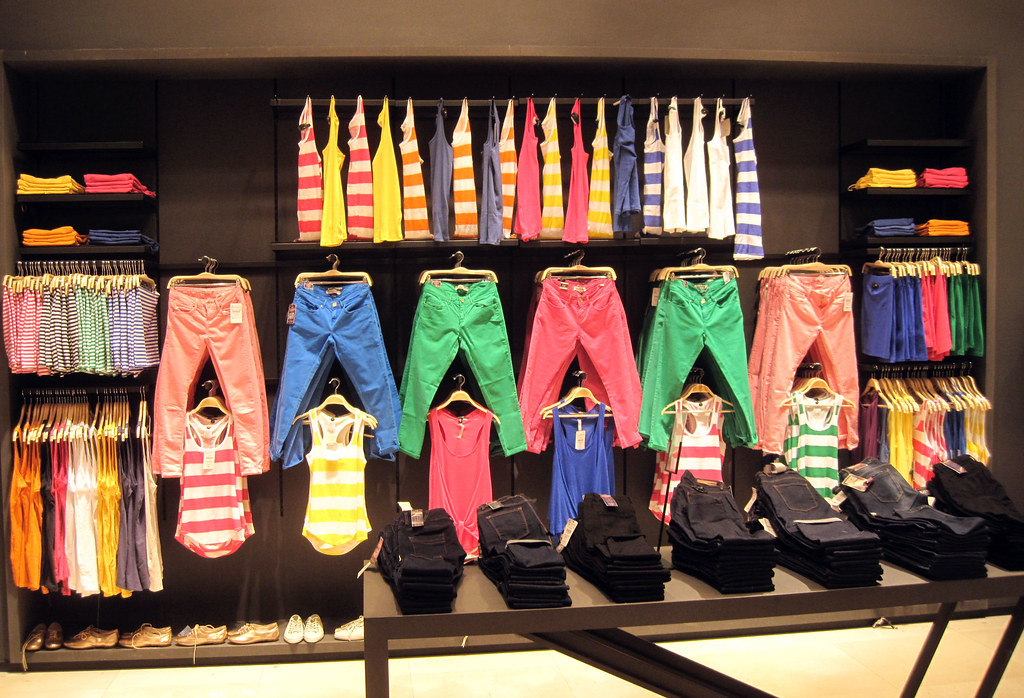
In a world where retail is rapidly evolving, visual merchandising stands as one of the most powerful tools for businesses to captivate customers and drive sales. This artful blend of creativity and strategy transforms stores into immersive experiences, turning casual browsers into loyal buyers. But what exactly is visual merchandising, and why is it such a game-changer for retail success?
What Is Visual Merchandising?
Visual merchandising is the practice of designing and organizing a retail space to create an engaging shopping experience that encourages customers to make purchases. This includes everything from the layout of the store to the lighting, displays, signage, and even the music. The goal is to communicate a brand’s identity and showcase its products in a way that resonates with the target audience.
Store Layout
A well-designed store layout is the backbone of visual merchandising. The layout determines how customers move through the space and interact with products. For example, a grid layout, often used in grocery stores, promotes efficiency and ensures that customers can easily locate what they need. On the other hand, free-flow layouts, commonly found in boutiques, encourage customers to explore and discover new items, fostering a sense of curiosity and engagement.
Window Displays
Window displays are the storefront’s opportunity to make a lasting first impression. They act as a teaser, enticing passersby to step inside and explore more. A compelling window display tells a story or showcases a key product, capturing attention and sparking interest. By aligning these displays with the store’s brand and seasonal themes, retailers can make a strong emotional connection with their target audience.
Lighting
Lighting is a powerful tool that can set the mood and emphasize specific areas of a store. Bright, focused lighting on key displays or new arrivals can draw attention and highlight products that retailers want to promote. Ambient lighting, on the other hand, creates a welcoming and comfortable atmosphere that encourages customers to linger. Effective lighting enhances the overall shopping experience while subtly guiding customers through the space.
Color Psychology
Colors play a significant role in shaping customers’ emotions and purchasing decisions. Warm colors like red and orange can create a sense of urgency and energy, making them ideal for clearance or promotional sections. Cool tones like blue and green evoke calmness, sophistication, and trust, making them perfect for luxury or wellness-focused brands. By understanding and leveraging color psychology, retailers can craft displays that subtly influence customers’ perceptions and behaviors.
Signage and Graphics
Clear and visually appealing signage is essential for both navigation and communication. Informative signs can guide customers to specific sections of the store, while promotional banners draw attention to sales or new arrivals. Graphics and text should be consistent with the store’s branding to reinforce its identity. Good signage not only aids the shopping experience but also serves as a subtle yet effective marketing tool.
Seasonal Themes
Seasonal displays keep the shopping experience fresh and engaging, aligning with customers’ expectations during key times of the year. Whether it’s festive holiday décor, vibrant summer themes, or back-to-school setups, incorporating seasonal elements creates excitement and a sense of relevance. These displays also provide opportunities to promote seasonal products and align with customers’ changing needs throughout the year.
Why Visual Merchandising Matters
Visual merchandising captures attention in ways that no other marketing method can. A visually stunning display can stop a shopper in their tracks and draw them into the store. Beyond aesthetics, it enhances brand image by reinforcing the store’s identity and values. Effective merchandising also drives impulse purchases by strategically placing products that customers might not have considered otherwise. Ultimately, it improves the customer experience, making shopping enjoyable and encouraging repeat visits, which builds long-term loyalty.
Trends in Visual Merchandising for 2025
The future of visual merchandising is blending creativity with technology and sustainability. Digital integration is becoming increasingly prominent, with interactive screens, augmented reality (AR), and QR codes creating a seamless connection between physical and digital shopping. Sustainability is also taking center stage, with eco-friendly displays made from recycled or reusable materials appealing to environmentally conscious consumers. Minimalist aesthetics are gaining popularity, focusing on clean, clutter-free designs that highlight hero products and emphasize quality. Additionally, data-driven merchandising is revolutionizing the industry by using analytics to design displays tailored to specific customer preferences and behaviors.
How to Get Started with Visual Merchandising
To begin your journey into visual merchandising, it’s essential to first understand your audience. Knowing your customers’ preferences, shopping habits, and needs will help you create displays that truly resonate. Once you have a clear understanding of your target audience, focus on telling a story through your displays that aligns with your brand identity. Don’t be afraid to experiment with new ideas, themes, and layouts, and always monitor their impact on sales and customer engagement. Stay informed about the latest trends and innovations in the industry to keep your approach fresh and relevant.
Final Thoughts
Visual merchandising is more than just arranging products; it’s about creating an experience that delights customers and drives business success. By blending creativity with strategy, you can turn your retail space into a destination that shoppers love to visit. Are you ready to elevate your retail game? Start reimagining your store’s visual merchandising today and watch the magic unfold!