
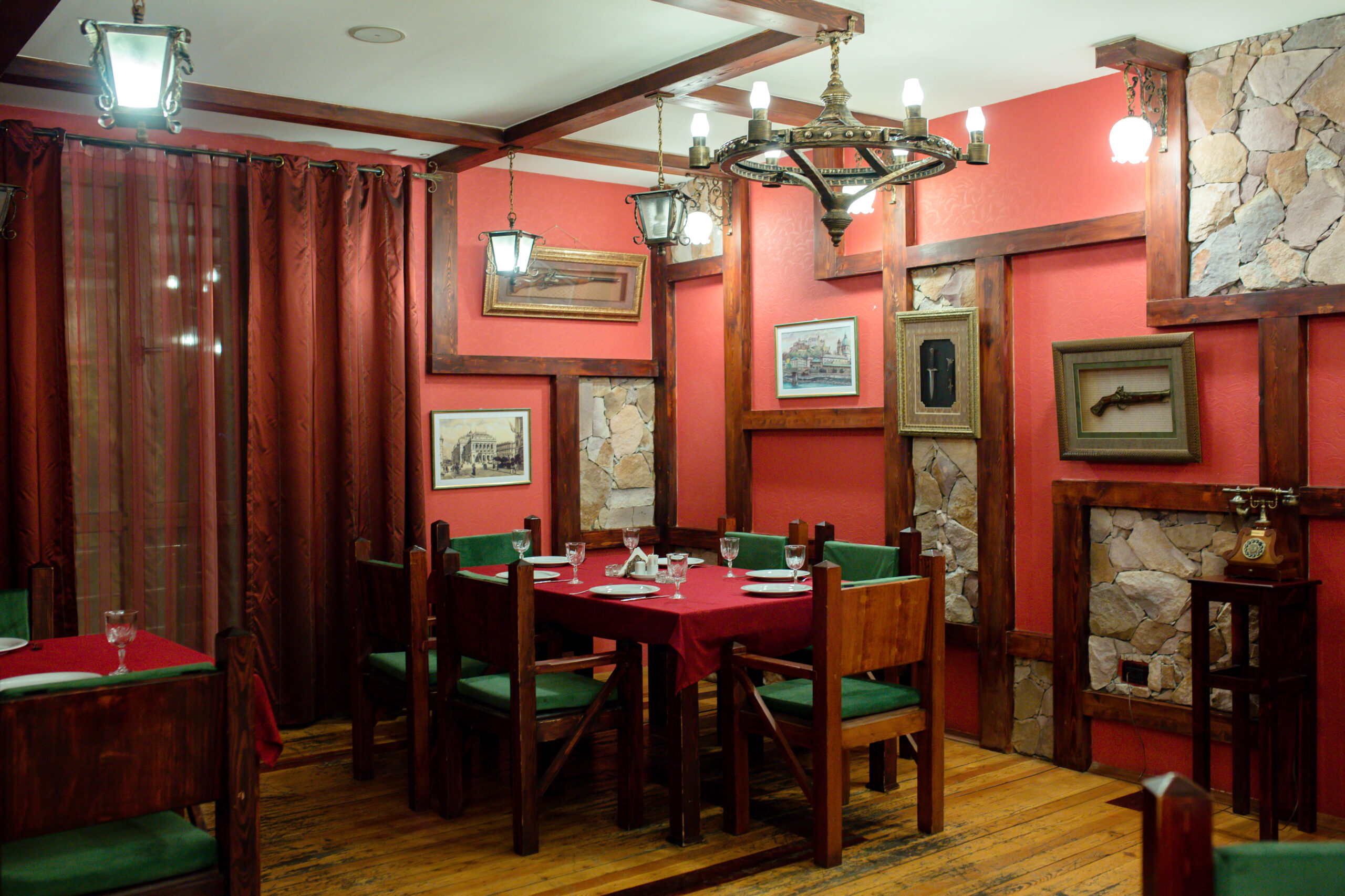
Your commercial space is more than just a place where business happens; it’s a living, breathing representation of your brand. From the moment someone walks through your doors, every detail should communicate who you are, what you value, and how you operate. A strong brand identity isn’t just for marketing materials and websites; it also belongs on your walls, your furniture, and even in your lighting. For a closer look at this, see How Elegant Shades Can Transform Your Living Space?.
If you’re still working with blank walls and generic furnishings, it’s time for a transformation. Here’s how to turn a plain space into a branded experience that resonates with employees, clients, and visitors alike.
1. Define Your Brand’s Visual Language
Before diving into the design process, it’s crucial to have a clear understanding of your brand’s visual identity. This encompasses elements like your logo, color scheme, typography, and general style. Maintaining consistency in these aspects throughout your commercial space helps ensure a unified and recognizable brand experience.
When you define your visual language, make sure to consider the emotions and messages you want to convey. For example, a tech startup may opt for sleek, modern designs with cool tones and minimalist graphics, while a creative agency might embrace bold colors and eclectic artwork. This clarity will guide every design decision, from wall colors to signage and furniture.
2. Use Color Strategically to Evoke Brand Emotions
Color has an undeniable psychological impact. It influences mood, perception, and behavior, making it a powerful tool for brand communication. Use your brand’s primary and secondary colors strategically throughout the space to reinforce recognition and emotional connection.
Paint walls, accent furniture, or even lighting fixtures in brand colors to create visual harmony. For instance, if your brand identity includes energetic orange hues, consider painting a feature wall or incorporating orange cushions and decor items. This use of color makes the space feel intentional and distinctly yours.
3. Incorporate Brand Messaging With Creative Signage
Signage is more than directional tools — they’re key opportunities to communicate your brand’s voice. Use creative and branded signage to highlight your company’s mission, vision, and core values throughout the space.
Think beyond the typical “Welcome” sign. Incorporate inspirational quotes, your tagline, or key brand phrases on walls, doors, or partitions. Use fonts and colors that reflect your brand identity for consistency. When customers and employees see these messages regularly, it nurtures brand loyalty and creates a culture around your values.
4. Invest in High-Quality Chairs to Enhance Comfort and Style
While wall art and colors often steal the spotlight, furniture plays an equally important role in shaping brand identity. Investing in high-quality chairs, like those available at American Chair & Seating Corporation, is essential for both comfort and style. The right seating can convey professionalism, innovation, or casual friendliness depending on your brand personality.
Choose chairs that complement your overall design and speak to your customers’ experience in your space. For instance, a luxury brand might opt for leather chairs with sleek metal frames, while a modern co-working space could feature ergonomic chairs with bright, bold upholstery. Comfortable seating encourages visitors to stay longer and associate positive feelings with your brand.
5. Optimize Lighting to Highlight Brand Elements
Lighting influences the atmosphere and focus within your commercial space. Hence, use lighting strategically to highlight key brand elements such as logos, art pieces, and focal walls.
Consider a mix of ambient, task, and accent lighting to create a layered effect that complements your brand’s tone. Warm lighting can evoke comfort and hospitality, while cooler, brighter lights convey professionalism and efficiency. Well-placed spotlights can draw attention to branded displays or installations, making them stand out and elevating the overall aesthetic.
6. Consider Installing Arts to Inspire and Engage Visitors
Art installations are a fantastic way to add character and depth to your commercial space. Whether through murals, sculptures, or curated galleries, art can tell a story that reflects your brand’s values and culture. Selecting pieces that align with your ethos adds authenticity and creativity, sparking conversation and making your space memorable for visitors and employees alike.
To bring your vision to life seamlessly, consider reaching out to professional art installation services in your area, such as The Chessler Company. Their expertise can help you manage logistics and install artworks safely and beautifully, enhancing the impact of your space.
7. Design Functional Spaces that Reflect Brand Personality
The layout and functionality of your commercial space should align with your brand’s personality and how you want people to interact within it. Whether it’s a retail store, office, or showroom, the space should be designed to foster the desired experience.
For example, an open, collaborative layout may suit a creative agency that values teamwork and innovation. Meanwhile, a luxury boutique might require intimate, private spaces that emphasize exclusivity and personal service. Design elements such as partitions, furniture arrangement, and circulation paths should work together to support your brand narrative and operational needs.
8. Engage Employees as Brand Ambassadors in the Space
Your commercial space isn’t just for customers; it’s also where your employees live and work. Designing a branded environment that inspires and empowers your team is equally important.
Create areas that reflect your company culture, such as lounges with branded decor, team collaboration zones, or motivational wall art. When employees feel proud and connected to the space, they naturally become stronger brand ambassadors. Their enthusiasm and commitment will be evident to customers and visitors, enhancing the overall brand experience.
Transforming blank walls into branded halls requires intentional design and a deep understanding of your brand identity. By defining your visual language, strategically using color, investing in quality furniture like chairs, incorporating art, and optimizing lighting and messaging, you create a space that not only looks great but also tells your brand’s unique story. When your commercial space fully embodies your brand, it becomes a powerful tool for engagement, loyalty, and growth.
Apart from that, if you are interested to know about A Practical Guide to Commercial Signage then visit our Business category.