
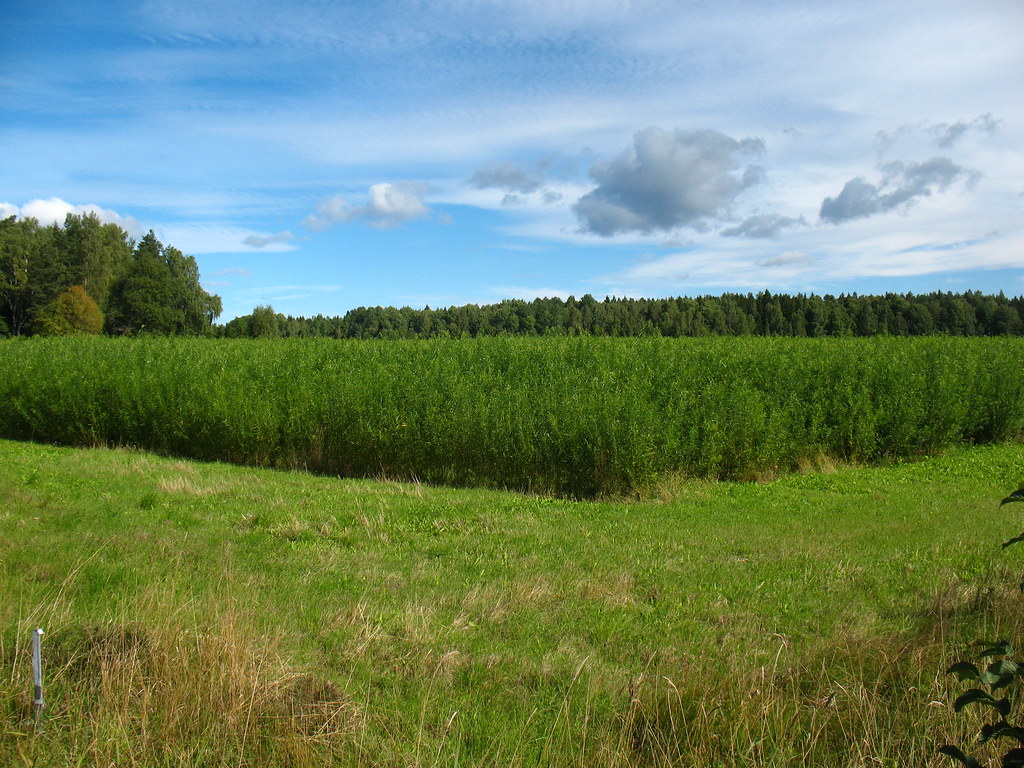
In an era where sustainability and eco-friendliness are paramount, the quest for renewable energy sources has become a global imperative. Among the various alternatives to traditional fossil fuels, biomass energy has emerged as a promising contender, offering a multitude of benefits while minimizing environmental impact. In this comprehensive guide, we delve into the intricacies of biomass energy, unravelling its fundamentals and exploring the advantages and considerations surrounding its utilization.
What is biomass, and how is it used?
Biomass, in its simplest form, refers to organic matter derived from plants and animals. This encompasses a diverse range of materials, including agricultural residues, wood waste, energy crops, and even municipal solid waste. The versatility of biomass lies in its ability to be converted into various forms of energy, such as heat, electricity, and biofuels, through processes like combustion, gasification, and fermentation.
Basic information about biomass energy
Biomass energy is a renewable and sustainable source of power, as it relies on the natural carbon cycle. Plants absorb carbon dioxide from the atmosphere during photosynthesis, and when biomass is burned or decomposed, the same amount of carbon dioxide is released back into the environment. This closed-loop system ensures that the net carbon emissions from biomass energy are significantly lower compared to fossil fuels.
How does biomass energy work?
The conversion of biomass into usable energy involves several methods, each with its unique advantages and applications. One of the most common techniques is direct combustion, where biomass is burned to produce heat, which can then be used for industrial processes, space heating, or electricity generation through steam turbines.
Another popular method is gasification, where biomass is heated in a controlled environment with limited oxygen, producing a combustible gas known as sangas. These sangas can be used to power engines, turbines, or fuel cells, generating electricity or heat.
Anaerobic digestion is another process that utilizes biomass, particularly organic waste materials. In this method, microorganisms break down the biomass in the absence of oxygen, producing biogas, a mixture of methane and carbon dioxide. Biogas can be used for heating, cooking, or electricity generation.
Exploring biomass boilers
Biomass boilers are a crucial component in the utilization of biomass energy, particularly for heating purposes. These boilers are designed to burn various types of biomass, such as wood pellets, chips, or logs, to generate heat for residential or commercial buildings.
Everything you need to know about biomass boilers
Biomass boilers come in different sizes and configurations, ranging from small domestic units to large-scale industrial systems. They typically consist of a combustion chamber, a heat exchanger, and a fuel storage and feeding system. The biomass fuel is fed into the combustion chamber, where it is burned, releasing heat that is transferred to the water or air circulating through the heat exchanger.
One of the key advantages of biomass boilers is their efficiency. Modern biomass boilers can achieve efficiencies of up to 90%, ensuring optimal utilization of the fuel and minimizing energy waste. Additionally, many biomass boilers are designed to be automated, reducing the need for manual intervention and ensuring consistent performance.
Advantages of biomass use
- Renewable and sustainable: Biomass is a renewable resource that can be replenished through sustainable practices, such as responsible forestry management and the cultivation of energy crops.
- Carbon neutrality: As mentioned earlier, biomass energy is considered carbon-neutral, as the carbon dioxide released during combustion or decomposition is balanced by the carbon dioxide absorbed by plants during their growth.
- Reduced dependence on fossil fuels: By utilizing biomass energy, we can reduce our reliance on finite and environmentally harmful fossil fuels, promoting energy security and independence.
- Local availability: Biomass resources are often locally available, reducing the need for long-distance transportation and associated emissions.
- Job creation: The biomass industry can create employment opportunities in various sectors, including agriculture, forestry, transportation, and energy production.
Disadvantages of biomass use
While biomass energy offers numerous benefits, it is essential to consider the potential drawbacks and challenges associated with its use:
- Land use concerns: The cultivation of energy crops for biomass production can compete with land used for food production, potentially leading to conflicts in land use and food security issues.
- Air pollution: Depending on the biomass source and combustion technology, biomass energy can contribute to air pollution through the emission of particulate matter, nitrogen oxides, and other pollutants.
- Potential deforestation: If not managed sustainably, the demand for biomass could lead to deforestation, which would undermine the environmental benefits of this energy source.
- Logistics and transportation: The transportation and handling of biomass feedstocks can be logistically challenging and contribute to additional emissions and costs.
- Intermittency: The availability of biomass resources can be subject to seasonal variations and other factors, potentially affecting the consistency of energy supply.
Is biomass energy a sustainable option?
The sustainability of biomass energy depends on various factors, including the source of the biomass, the conversion technology, and the overall lifecycle emissions. When biomass is sourced from sustainable practices, such as responsible forestry management or the utilization of agricultural residues, and when efficient and clean conversion technologies are employed, biomass energy can be a sustainable and environmentally friendly option.
However, it is crucial to adopt a holistic approach that considers the entire supply chain, from biomass production to energy generation and distribution. This includes implementing sustainable land management practices, investing in advanced conversion technologies, and promoting the circular economy through the utilization of waste streams as biomass feedstocks.
Conclusion
Biomass energy presents a promising avenue in our collective pursuit of a sustainable and renewable energy future. By harnessing the power of organic matter, we can reduce our reliance on finite fossil fuels while minimizing our environmental impact. The versatility of biomass boilers and the various conversion technologies available offer diverse applications, from residential heating to industrial processes and electricity generation.
While biomass energy is not without its challenges, addressing concerns such as land use, air pollution, and sustainable sourcing can unlock its full potential. By embracing a comprehensive and responsible approach, we can harness the benefits of biomass energy while mitigating its drawbacks, paving the way for a greener and more sustainable energy landscape.
If you’re ready to embrace the power of biomass energy and explore the potential of biomass boilers for your residential or commercial needs, we invite you to schedule a consultation with Proadvance Ltd, team of experts. Together, we can assess your energy requirements, recommend the most suitable biomass solutions, and guide you through the process of transitioning to this renewable and sustainable energy source. Contact Proadvance today and take the first step towards a greener, more efficient, and cost-effective energy future.