
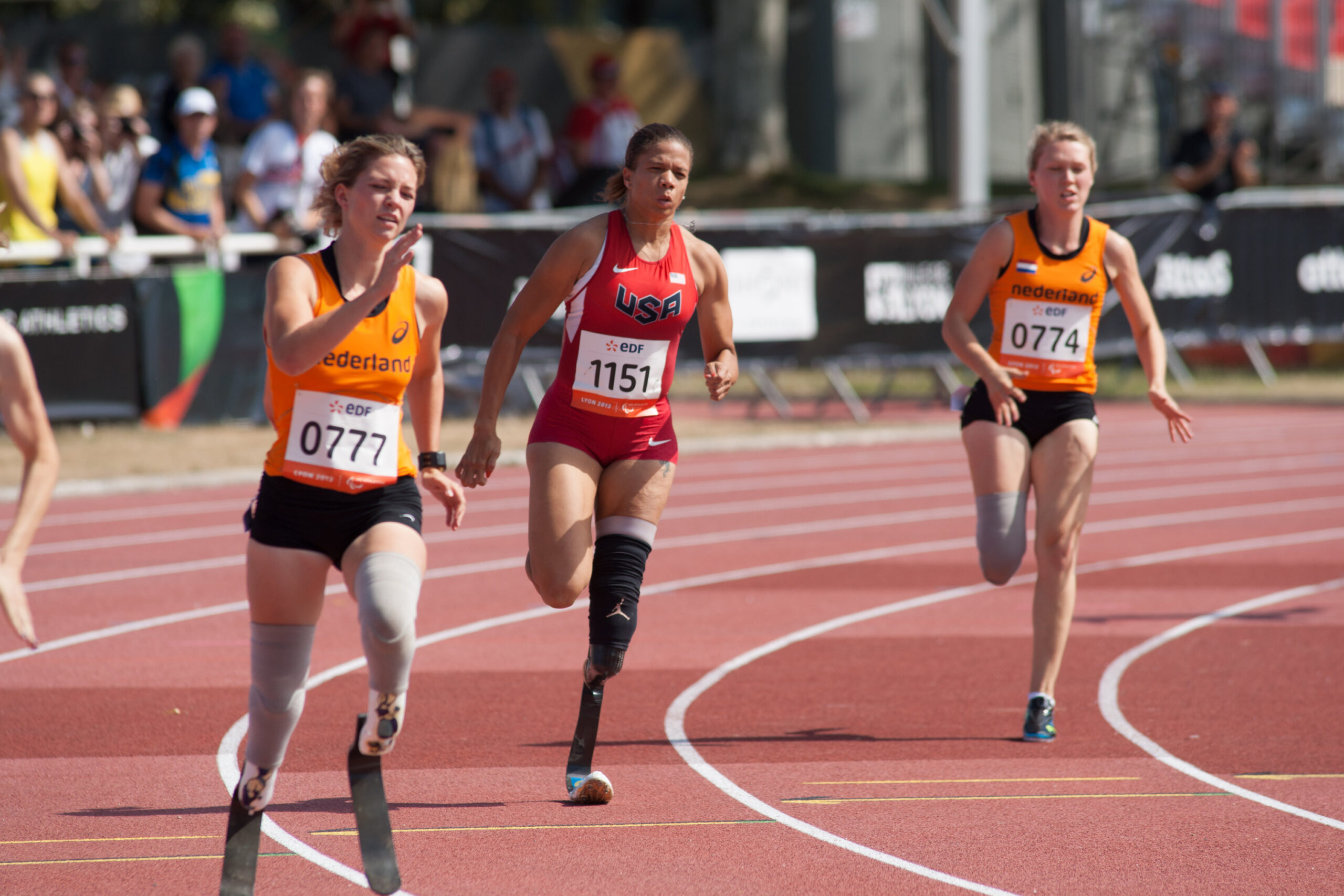
In the realm of athletic performance, proficiency across various physical competencies is non-negotiable. Speed and agility are critical components that can significantly distinguish elite performers from the average competitors. This article explores the essential role of speed and agility training in fostering athletic prowess and its integration within athlete development programmes.
Understanding Speed and Agility
Speed refers to the ability to move the body in one direction as quickly as possible, while agility is the capacity to accelerate, decelerate, stabilise, and quickly change directions with proper posture. Together, they constitute fundamental elements in the vast majority of sports. The development of these attributes can lead to improvements in game-specific skills, such as dodging opponents or sprinting towards the finish line.
The Synergy between Speed, Agility, and Athletic Success
Speed and agility are not innate traits; they are developed and refined through systematic training. For aspiring athletes, mastering both can result in enhanced performance, reduced injury risk, and a competitive edge. Therefore, it’s imperative for athletes to incorporate specialised training to enhance these attributes.
Incorporating Speed and Agility into Athlete Development
Effective athlete development programmes amalgamate several training modalities to cultivate a broad spectrum of athletic skills. A strength and conditioning gym is an ideal environment where athletes can work on these skills under professional guidance. Experts in such facilities design comprehensive programmes that focus on power, strength, endurance, and, crucially, speed and agility.
Read More: Elevate Your Business Relations with the Perfect Corporate Gift Card
Speed and Agility Training Techniques
Training for speed and agility typically comprises a mix of exercises that improve explosive power, neuromuscular coordination, and reaction time. Drills that enforce rapid changes in direction, plyometric exercises, and sprinting workouts are common components of such training. Tailored programmes ensure athletes can transfer the gains made in training to competitive scenarios.
Progressive Overload and Adaptation
As with any physical training, the principle of progressive overload is vital in speed and agility development. Gradually increasing the intensity, volume, or complexity of training ensures continuous improvement and adaptation. Well-designed programmes facilitate measured progression that aligns with the athlete’s development stage and sport-specific demands.
Monitoring Progress and Adjusting Programmes
Rigorous tracking of an athlete’s progress in speed and agility is imperative to gauge the effectiveness of the training programme. Coaches and trainers at facilities like Athletes Authority often employ technology and performance metrics to provide accurate feedback and customise training regimens appropriately.
The Role of Coaches and Trainers
Guidance from qualified coaches and trainers is invaluable in the realm of athlete development. These professionals offer expertise in technique refinement, motivation, and injury prevention. By developing a strong working relationship with athletes, coaches can significantly enhance the speed and agility training process.
Technique Refinement
The meticulous nature of speed and agility drills necessitates precise technique. Coaches scrutinise movement patterns to correct inconsistencies and optimise performance, ensuring that athletes execute each drill correctly to maximise gains.
Nutrition and Recovery
Athlete development extends beyond the training ground. Nutrition and recovery play pivotal roles in an athlete’s ability to perform and improve. Adequate rest, proper diet, and recovery strategies are integral to support the physical demands of speed and agility training.
Long-term Athlete Development (LTAD)
The concept of LTAD emphasises the longevity of an athlete’s career and the continuity of development from the junior to elite levels. Speed and agility training is scaled accordingly for different age groups and proficiency levels, laying a foundation that will serve athletes throughout their sporting journey.
Speed and Agility in Team Sports and Individual Sports
While often associated with track and field athletics, speed and agility are just as crucial in team sports like football, basketball, and rugby. For the individual sport athlete, these attributes can differentiate winners from the rest. Hence, training for speed and agility is tailored to meet specific positional demands in team sports and individual advantages in sports like tennis or swimming.
The Psychological Benefits
Training in speed and agility not only benefits an athlete physically but also mentally. Improved performance can bolster an athlete’s confidence and mental toughness, traits that are invaluable during high-pressure competitive situations.
The Role of Technology in Speed and Agility Training
Advancements in technology have propelled the capabilities of speed and agility training programs. High-speed cameras, motion sensors, and data analytics enable trainers to offer detailed insights and personalised feedback to athletes, leading to more effective training outcomes.
In Summary
Speed and agility training is a cornerstone of comprehensive athlete development, contributing to the enhanced performance and longevity of an athlete’s career. Facilities such as Athletes Authority champion the importance of these attributes, facilitating training that is both scientifically grounded and practically applied. For athletes looking to excel, dedicating time to speed and agility training is not an option, but a necessity. By prioritising this area of development, athletes can unlock their full potential and realise their performance goals.
Apart from this, if you are interested to read an amazing article on Best tech-based startups in Canada then visit our Startups category.